
Argon‑filled insulated glass represents an advanced energy‑saving variant of insulated glass units, widely adopted in modern architectural curtain walls, residential facades, office buildings, skylight canopies and municipal construction projects. Ordinary air‑filled hollow glass contains oxygen, water vapor and other active substances inside the cavity, which limit thermal insulation performance and may accelerate the aging of functional coatings. By injecting high‑purity argon inert gas into the sealed interlayer cavity, argon insulated glass greatly optimizes the comprehensive physical performance of insulated glass, becoming the preferred energy‑saving glass solution for mid‑to‑high‑end construction engineering.
Argon is a colorless, tasteless, stable inert gas. Its gas thermal conductivity is far lower than ordinary air. After filling the hollow cavity, argon gas effectively slows down heat convection and heat conduction inside the interlayer. In cold seasons, it reduces indoor heat loss outward; in hot summer, it blocks outdoor heat from transferring indoors. This characteristic significantly cuts the heat transfer coefficient of insulated glass, delivers excellent thermal insulation effect, lowers the operating load of air‑conditioning and heating systems, and remarkably reduces long‑term building energy consumption. For commercial complexes and high‑rise office buildings with large‑area glass facades, long‑term energy saving brought by argon filled insulated glass can create considerable operating cost savings for property owners.
Apart from outstanding thermal insulation and energy‑saving capability, argon gas provides reliable protection for Low‑E functional coating. Low‑E coating is sensitive to oxidation. When regular air stays in the hollow cavity, residual oxygen and moisture will slowly erode the coating layer over years of service, resulting in coating attenuation, weakened energy‑saving effect and shortened service life. Sealed inert argon isolates the low‑emissivity film from oxidative substances, greatly slowing down coating aging speed. Consequently, the glass can maintain stable energy‑saving performance for a longer service cycle, reducing later‑period renovation and replacement frequency for completed projects.
The optimized gas‑filled structure also upgrades acoustic insulation capacity. Compared with standard air insulated glass, the argon‑filled cavity dampens sound‑wave transmission more efficiently. It can weaken traffic noise, urban ambient noise and surrounding environmental interference. This advantage makes argon insulated glass well‑suited for roadside residences, urban core office buildings and public facilities near main traffic arteries, improving indoor comfort for occupants.
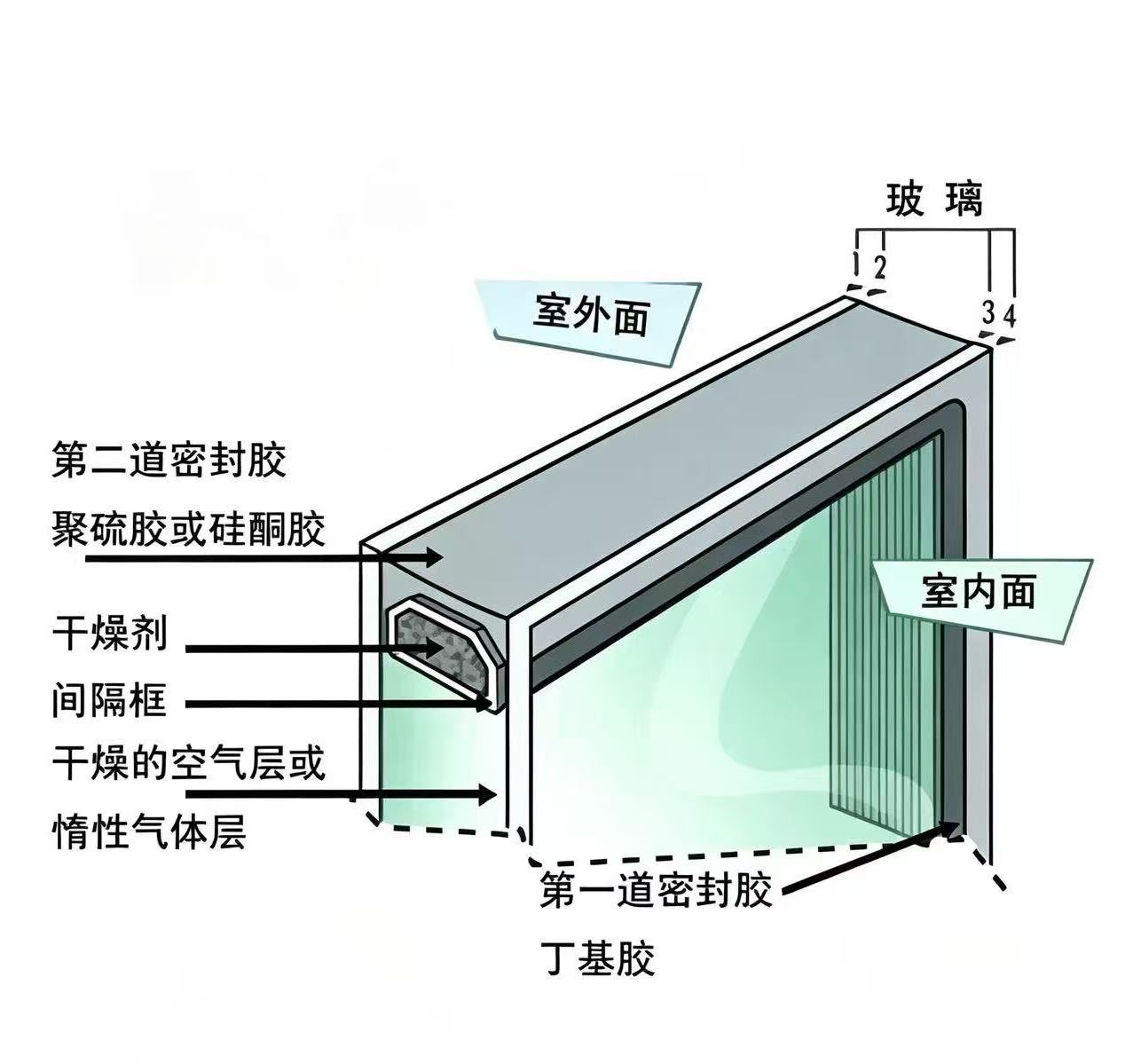
Our argon insulated glass adopts mature double‑channel sealing technology, namely butyl rubber primary sealant and polysulfide or silicone secondary sealant. High‑quality molecular sieve desiccant is arranged inside the aluminum spacer frame. The double‑sealing system prevents humid outside air from permeating into cavity, and the built‑in desiccant absorbs residual moisture inside the unit. Cooperated with inert argon filling, the finished glass effectively avoids internal fogging, condensation and water mist. Even under the condition of large indoor‑outdoor temperature difference in cold northern regions, the sightline stays transparent, without condensed water spots that influence appearance and light transmission.
Customization flexibility is one prominent advantage of our argon filled insulated glass. Customers can select original tempered glass, Low‑E tempered glass, laminated safety glass as base sheets according to project design requirements. Argon‑filled units can be produced with different cavity thickness, overall glass thickness and outline dimension. We are capable of manufacturing regular rectangular panels as well as special‑shaped argon insulated glass for special architectural designs. All products strictly follow production specifications, and argon filling concentration is controlled within standard range to guarantee consistent product performance batch by batch.
Supported by complete automated production lines, our factory realizes stable supply of argon insulated glass. We can handle small‑batch sample orders as well as large‑scale municipal and commercial engineering orders. Scientific production scheduling ensures orders will be completed as scheduled. Every batch undergoes strict factory inspection before packaging and shipment. Inspection items include argon filling rate, sealing tightness, dimension tolerance, flatness and appearance quality. Relevant inspection documents can be provided to satisfy project acceptance and overseas customs‑clearance requirements.
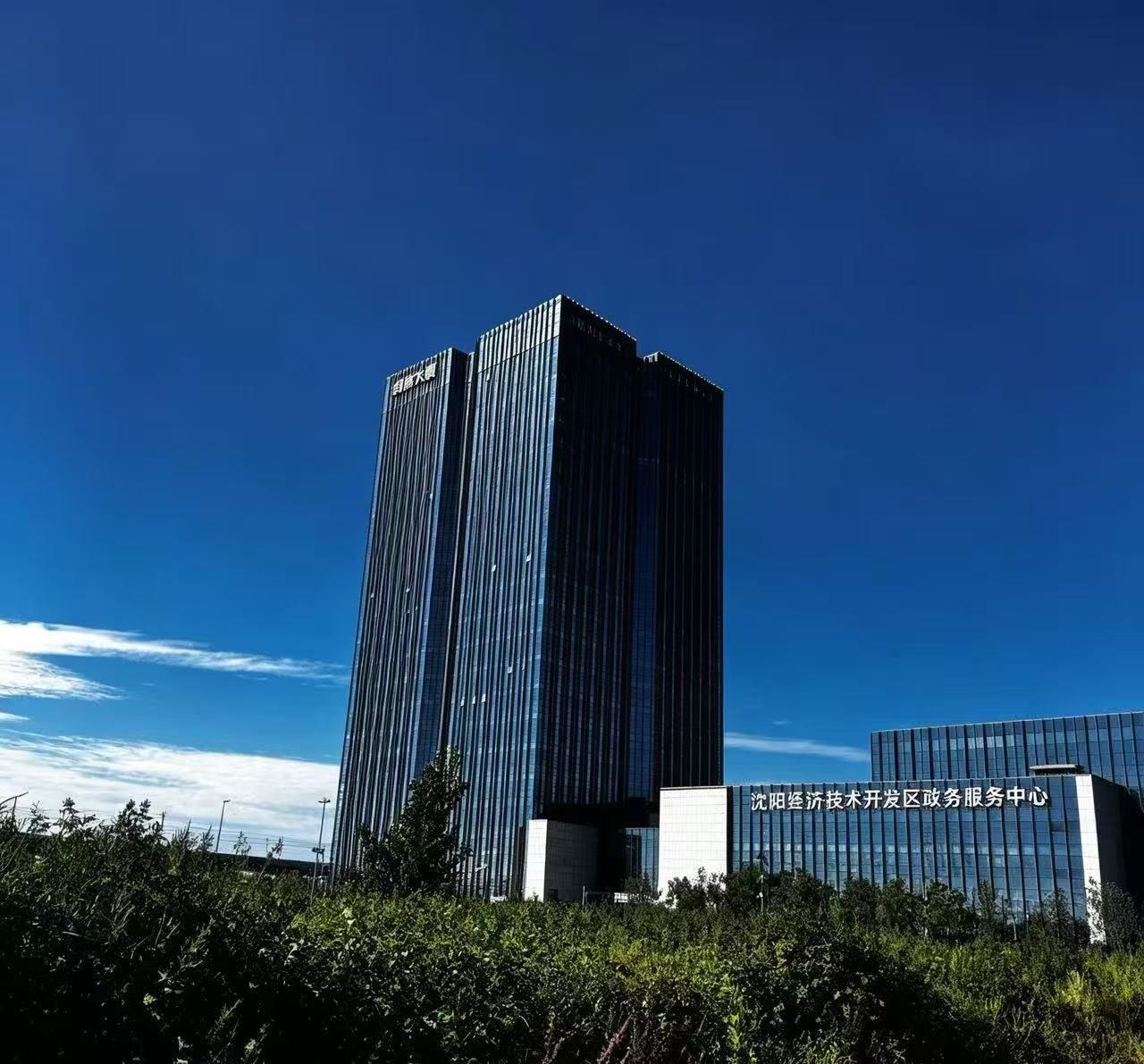
Argon‑filled insulated glass is extensively applicable for diversified building scenarios: high‑rise building curtain walls, commercial shopping centers, government municipal buildings, hotel facades, residential exterior windows, daylighting roofs, indoor partition projects and cold‑area construction projects. Choosing our argon insulated glass means clients obtain safety, energy efficiency, anti‑fogging and sound‑insulating integrated glass products. Reliable product quality, flexible customization service and stable bulk supply capacity will offer solid glass supporting for your construction projects.