
News

  • How much more expensive is low-iron glass?
    The Price of Clarity: Why Low-Iron Glass Costs 25% to 50% More For any large-scale architectural project, the "glass budget" is often the most scrutinized line item. When a designer specifies Ultra-Clear (Low-Iron) Glass, the immediate question from procurement is: "Why is the premium so high, and is it justified?" Typically, low-iron glass carries a 25% to 50% price premium over standard clear glass. However, the "true cost" isn't just a flat percentage; it varies based on thickness, processing, and raw material cycles. This guide breaks down the financial components of low-iron glass procurement.
    2026-04-10
    More
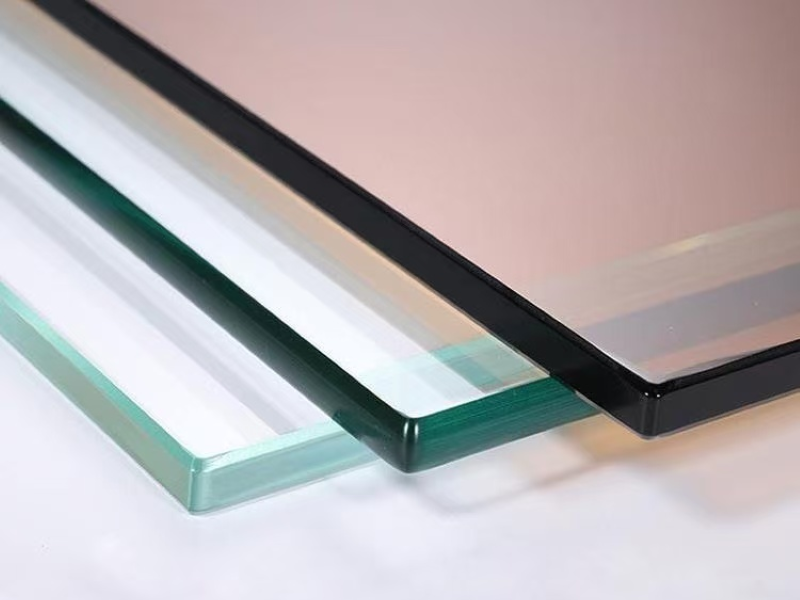
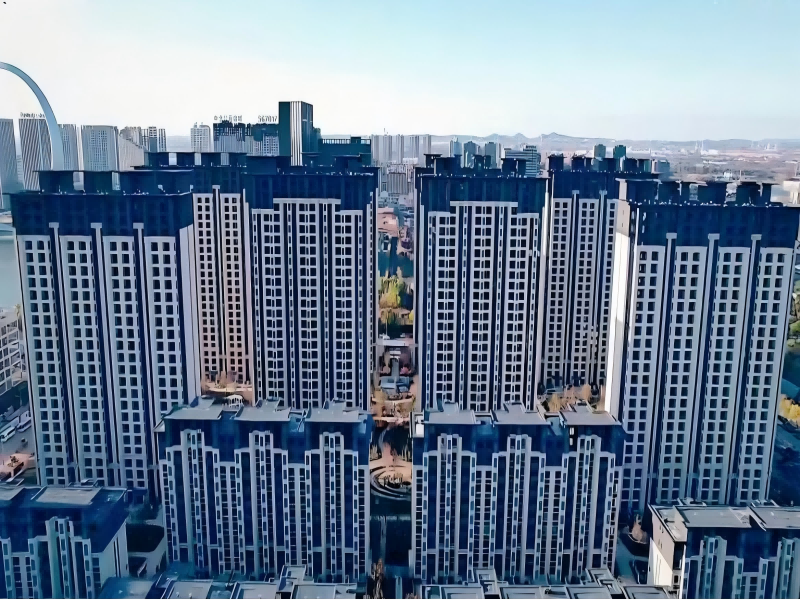
  • What are the pros and cons of low-iron glass?
    In architectural glazing, selecting "standard clear" versus "low-iron" glass is a decision that impacts both the building's aesthetic and its long-term safety. For procurement managers, understanding the trade-offs is essential to balancing the project budget with high-performance requirements.
    2026-04-10
    More
  • Why Heat Soak Testing (HST) is Essential for High-Rise Tempered Glass
    In the world of high-rise architecture, a single pane of shattered glass is more than a maintenance issue—it is a public safety hazard and a logistical nightmare. While tempered glass is 4–5 times stronger than annealed glass, it carries a hidden "ticking time bomb": Nickel Sulfide (NiS) inclusions.
    2026-04-09
    More
  • PVB vs. SGP Interlayer: Which is Better for Structural Laminated Glass?
    In architectural glazing, not all laminated glass is created equal. The choice of interlayer—the plastic film sandwiched between glass lites—determines the strength, clarity, and post-breakage performance of the entire system.
    2026-04-09
    More
  • Single vs Double vs Triple Low-E Glass: Cost vs Performance
    In architectural glass procurement, "Low-E" (Low Emissivity) is not a single product—it is a spectrum of performance. The choice between Single, Double, or Triple silver Low-E coatings is the single largest factor affecting a building's energy footprint, HVAC requirements, and initial glazing budget.
    2026-04-09
    More
  • How much clearer is low-iron glass?
    ​In the architectural glass industry, "clarity" is more than an aesthetic preference—it is a measurable technical metric. When a procurement manager asks, "How much clearer is low-iron glass?" the answer lies in two critical data points: Visible Light Transmittance (VLT) and the Color Rendering Index (CRI). While standard clear glass appears "clear" to the untrained eye in thin sheets, the performance gap between standard and low-iron (Ultra-Clear) glass widens exponentially as thickness and complexity increase.
    2026-04-08
    More

Get the latest price? We will reply as soon as possible (within 12 hours)

Contact us