

For contractors, developers, and distributors, choosing between double glazing and triple glazing is a cost vs performance vs ROI decision—not just a specification choice.
This guide gives you a clear comparison of cost, insulation performance, payback period, and application scenarios, so you can make a fast and commercially sound decision.
1. Quick Decision Summary (30-Second Answer)
Choose Double Glazing if:
Project is budget-sensitive
Climate is mild or mixed
Standard energy compliance is sufficient
Choose Triple Glazing if:
Project is in cold climate (EU / Northern US / Canada)
High energy efficiency standards (Passive House, NZEB)
Long-term operational savings are a priority
Rule of thumb:
Double glazing = best cost-performance balance
Triple glazing = maximum efficiency + long-term ROI
2. Structural Difference (What You’re Comparing)
Double Glazing
2 glass panes + 1 air/gas cavity
Typical thickness: 20–28 mm
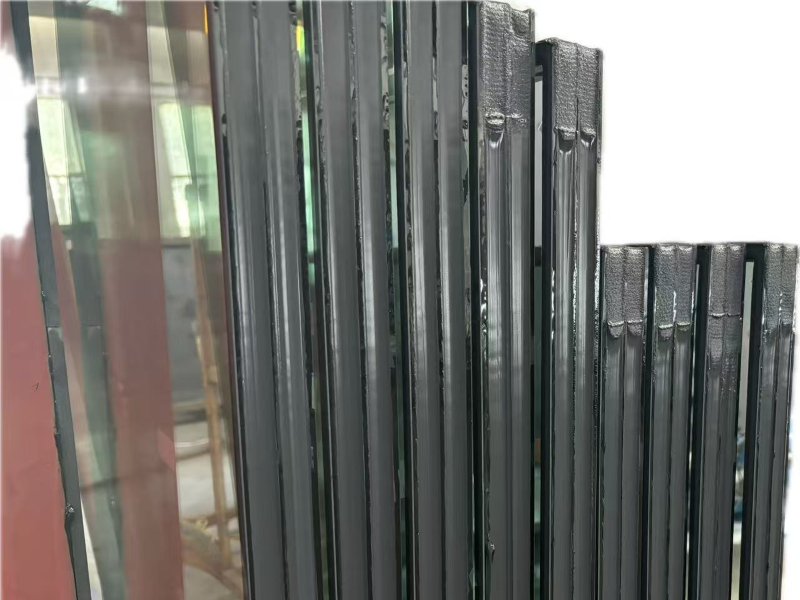
Triple Glazing
3 glass panes + 2 air/gas cavities
Typical thickness: 32–44 mm
Decision Insight:
Triple glazing adds one extra layer and cavity, directly improving insulation—but increases cost and weight
3. Cost Comparison (Core Procurement Factor)
Typical B2B Price (USD/m²)
| Type | Price Range | Cost Level |
| Double Glazing | $30 – $80 | Medium |
| Triple Glazing | $60 – $150 | Medium–High |
Cost Difference
Triple glazing is typically 30%–80% more expensive
Additional costs:
Heavier framing systems
Higher transport cost
More complex installation
Procurement Insight:
The real cost difference is not just glass—it includes system upgrade cost
4. Thermal Performance (Main ROI Driver)
Insulation Performance (U-Value)
| Type | Typical U-Value (W/m²·K) | Performance Level |
| Double Glazing | 1.1 – 2.8 | Standard |
| Triple Glazing | 0.6 – 1.2 | High |
Lower U-value = better insulation
Energy Saving Impact
Double glazing: baseline efficiency
Triple glazing: reduces heat loss by 20%–40% compared to double
Decision Insight:
Triple glazing significantly reduces heating demand in cold climates
5. Sound Insulation (Important for Commercial Projects)
Double glazing: moderate noise reduction
Triple glazing: improved acoustic insulation
Best for:
Hotels
Offices in urban areas
Buildings near highways/airports
6. Weight & Structural Impact (Often Overlooked)
| Factor | Double Glazing | Triple Glazing |
| Weight | Lower | Higher (+30%–50%) |
| Frame Demand | Standard | Reinforced |
| Installation | Easier | More complex |
Procurement Risk:
Triple glazing may require:
stronger frames
higher installation cost
7. Climate-Based Selection (Critical Decision Factor)
Cold Climate (Northern Europe, Canada)
Recommendation: Triple glazing
Reason: reduces heating cost significantly
Mixed Climate (US, UK, Central Europe)
Recommendation: Double glazing (Low-E)
Reason: balanced cost and performance
Warm Climate (Southern US, Middle East)
Recommendation: Double glazing + solar control
Reason: triple glazing provides limited ROI in cooling-dominant climates
Key Insight:
Triple glazing is not always better—it depends on climate-driven ROI
8. ROI Analysis (What Determines the Best Choice)
Cost vs Savings
| Factor | Double Glazing | Triple Glazing |
| Initial Cost | Lower | Higher |
| Energy Savings | Medium | High |
| Payback Period | Short | Medium–Long |
| Long-Term ROI | Medium | High (cold climates) |
Payback Logic
In cold climates:
Triple glazing payback: 5–10 years
In mild climates:
Payback may exceed 10–15 years
Decision Insight:
Triple glazing is only cost-effective when energy savings justify the upfront cost
9. Compliance & Market Trends (EU / US)
Europe:
Triple glazing widely adopted in high-efficiency buildings
US:
Double glazing still dominant
Triple glazing growing in northern regions
Trend Insight:
Energy regulations are pushing gradual adoption of triple glazing
10. Risk Analysis (What Can Go Wrong)
Choosing Double Glazing When Triple Is Needed
Higher energy bills
Lower building rating
Reduced competitiveness in green certification
Choosing Triple Glazing Without ROI Justification
Over-specification
Increased project cost
Longer payback period
Procurement Rule:
Avoid both under-spec and over-spec
11. Final Decision Framework (Actionable)
Follow this order:
Define climate zone
Confirm energy efficiency target
Evaluate budget vs lifecycle cost
Check frame/system compatibility
Final Recommendation
For most commercial projects:
Double glazing + Low-E = best cost-performance balance
For high-performance or cold-climate projects:
Triple glazing = best long-term ROI
Bottom Line
Double glazing optimizes initial investment
Triple glazing optimizes long-term performance
The right choice depends on whether your project is cost-driven or energy-performance-driven
