

How Long Does Insulated Glass Last? A Complete Lifespan Guide
The typical lifespan of insulated glass units (IGU) is generally rated between 15 and 30 years. However, in real-world projects—especially in extreme climates—seal failure can sometimes occur in as little as 5–8 years.
The lifespan of insulated glass is not determined only by time. The key factor is how long the sealing system maintains its integrity.
Once the seal fails, moisture enters the cavity, causing fogging, condensation, and loss of insulation performance.
Why Insulated Glass Fails: The Three Core Factors
Insulated glass is not a vacuum box. It is a sealed dynamic system, and its lifespan depends on environmental stress, mechanical fatigue, and installation conditions.
1. Environmental Stress
High Altitude and Air Pressure Changes
At high altitudes, the pressure difference between indoor and outdoor air can cause glass panes to bulge inward or outward repeatedly. This phenomenon gradually weakens the edge seals through pressure fatigue.
Coastal Salt Exposure
Salt in coastal environments accelerates metal spacer corrosion and may chemically weaken some secondary sealants. Studies show that seal lifespan may be reduced by around 20% in coastal climates.
High Humidity Regions
In areas where humidity stays above 70% for long periods, sealants face continuous moisture and hydrolysis stress, which requires higher-quality sealing systems.
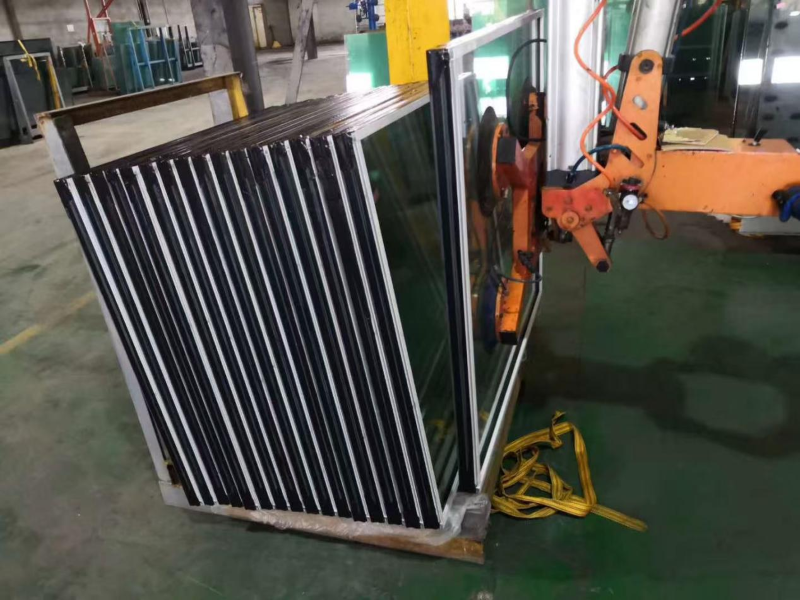
2. Thermal Pumping (Daily Expansion and Contraction)
Insulated glass experiences constant thermal expansion and contraction due to temperature fluctuations.
This movement creates microscopic displacement that continuously stretches the sealant layer.
According to ASTM E2190, high-quality insulated glass units must withstand thousands of temperature cycles without losing seal integrity.
Low-quality sealants may develop micro-cracks, eventually allowing moisture to enter the glass cavity.
3. Window Drainage System Failure
Industry professionals often say:
“Insulated glass rarely fails from sunlight — it fails from standing water.”
If the weep holes in the window frame become blocked, water may accumulate around the edges of the glass.
Even high-quality sealants can eventually lose adhesion when exposed to long-term water immersion, leading to seal failure.
How Technology Affects Insulated Glass Lifespan
Different manufacturing technologies significantly affect the durability of insulated glass.
| Technology | Expected Lifespan | Key Characteristics |
|---|---|---|
| Single Seal (Obsolete) | 3–5 years | Only hot-melt butyl sealant has weak structural strength |
| Double Seal System | 15–20 years | Butyl moisture barrier + polysulfide or silicone secondary seal |
| Warm Edge Spacer + Argon Gas | 25–35 years | Reduced thermal stress and lower gas leakage |
| Triple Glazing + Pressure Equalization | 30+ years | Designed for high-altitude or large glass panels |
How to Inspect Insulated Glass: A Simple Maintenance Checklist
Experts recommend inspecting insulated glass every two years to detect early warning signs.
Check Window Drainage
Ensure the weep holes at the bottom of the window frame are not blocked. Proper drainage prevents water accumulation around the glass edges.
Inspect the Sealant
Check the exposed black edge sealant. If it appears brittle, powdery, or detached, seal failure may be approaching.
Identify Condensation Location
Condensation can indicate different conditions:
Outside surface condensation → Good insulation performance.
Inside room-side condensation → Indoor humidity is too high.
Condensation between glass panes → Insulated glass seal failure.
Watch for the “Butyl Rainbow Effect”
If the black butyl seal appears to spread into the visible glass area like an oily film, it may indicate overheating and seal displacement.
Frequently Asked Questions
Can fogged insulated glass be repaired by drilling holes?
No. Drilling holes destroys the sealed cavity and allows dust, mold, and bacteria to enter.
Although fog may temporarily disappear, the glass insulation performance can drop by more than 50%.
The only proper solution is to replace the insulated glass unit.
Does argon-filled insulated glass leak quickly?
No. Argon gas typically leaks at around 1% per year, but even after 20 years, argon-filled glass still performs better than standard air-filled units.
Why do high-rise buildings experience more seal failures?
High-rise buildings experience stronger wind loads, which increase glass vibration and deflection. This creates additional stress on the edge sealant.
Do Low-E coatings wear out?
No. As long as the glass seal remains intact, Low-E coatings can last indefinitely.
However, once moisture enters the cavity, the coating may oxidize and cause permanent stains or discoloration.
Do interior blinds affect the lifespan of insulated glass?
Yes. Installing dark blinds directly against the glass can increase thermal stress and internal pressure.
It is recommended to keep at least 50 mm (2 inches) between blinds and glass to allow airflow.
How to Make Insulated Glass Last 30 Years
When Purchasing
Choose double-seal insulated glass.
Prefer warm edge spacer technology.
During Installation
Ensure window drainage holes remain open.
During Daily Use
Avoid spraying high-pressure water at glass edges.
In cold climates, maintain indoor humidity below 40% in winter.
Disclaimer
This guide reflects common architectural engineering practices. Actual lifespan may vary depending on environmental conditions such as hurricanes, extreme cold climates, or high-altitude regions. If the glass cracks or shows structural damage, consult a professional immediately.
