

For contractors, developers, and distributors, choosing the right glass is a multi-factor decision that directly affects project cost, compliance approval, energy performance, safety risk, and long-term ROI.
This guide gives you a clear selection framework + product comparison + cost logic so you can make fast, defensible procurement decisions for commercial projects.
1. Quick Decision Framework (Use This First)
Before comparing products, define these 4 project variables:
Building Type (office, hotel, hospital, retail)
Risk Level (low / medium / high safety requirement)
Climate Zone (cold / hot / mixed)
Budget Level (cost-driven vs performance-driven)
Decision Logic:
Cost-sensitive + low risk → prioritize tempered glass
Standard commercial → insulated + tempered / laminated
High safety / high compliance → laminated + insulated + specialty glass
2. Core Glass Types (What You Can Choose From)
2.1 Tempered Glass (Basic Safety Option)
Key Value:
4–5× stronger than standard glass
Lowest cost among safety glass
Best for:
Interior partitions
Low-risk glazing areas
Limit: no post-breakage integrity (shatters completely)
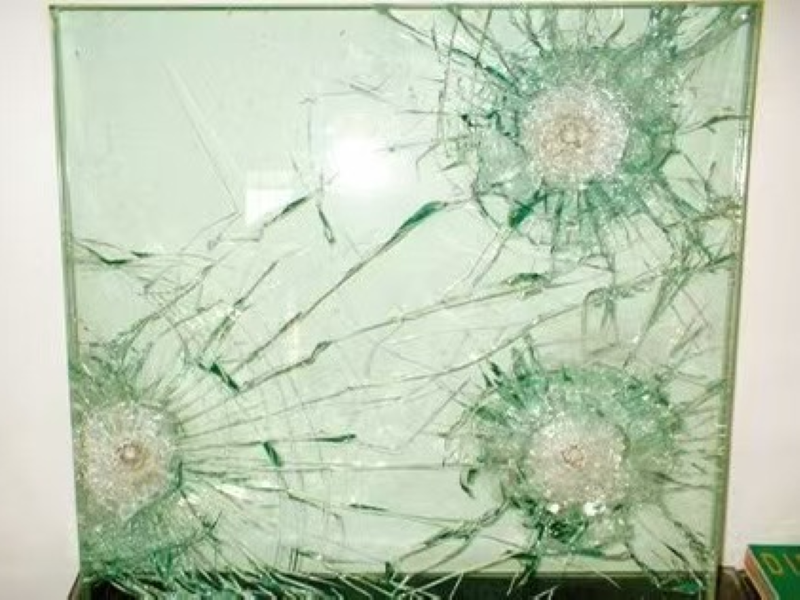
2.2 Laminated Glass (Safety & Security)
Key Value:
Holds together after impact
Reduces injury risk
Blocks ~99% UV
Best for:
Curtain walls
Railings
High-rise applications
Procurement Insight: required in many EU/US safety codes
2.3 Insulated Glass (Energy Efficiency Core)
Key Value:
Double or triple glazing structure
Reduces heat transfer
Best for:
External façades
Energy-efficient buildings
ROI Driver: reduces HVAC cost over time
2.4 Low-E Glass (Energy Optimization)
Key Value:
Reflects heat while allowing light
Improves insulation performance
Best for:
Office buildings
Hotels
High-energy standard projects
2.5 Fire Rated Glass (Compliance & Safety)
Key Value:
Fire resistance (30 / 60 / 90 min)
Required for fire-rated zones
Best for:
Stairwells
Escape routes
Public buildings
3. Performance Comparison (What Actually Matters)
Key Metrics for Commercial Projects
| Factor | Tempered | Laminated | Insulated | Low-E | Fire Rated |
| Strength | High | Medium | Depends | Depends | Medium |
| Safety | Medium | High | Medium | Medium | Very High |
| Energy Efficiency | Low | Low | High | Very High | Medium |
| Sound Insulation | Low | Medium | High | High | Medium |
| Cost Level | Low | Medium | Medium | Medium–High | High |
Key Insight:
No single glass type solves all problems—most commercial projects use combinations
4. Cost Structure (What You Will Actually Pay)
Typical Price Reference (USD/m²)
| Glass Type | Price Range |
| Tempered Glass | $8 – $20 |
| Laminated Glass | $15 – $40 |
| Insulated Glass | $30 – $80 |
| Low-E Glass | $50 – $120 |
| Fire Rated Glass | $80 – $400+ |
Real Project Cost Structure
Glass cost is only part of total cost:
Glass: ~40%–60%
Frame system: ~20%–30%
Installation: ~10%–20%
Procurement Insight:
Choosing cheaper glass does not guarantee lower total project cost
5. Application-Based Selection (Direct Decision Guide)
Office Buildings
Recommended Configuration:
Insulated + Low-E + tempered/laminated
Why:
Energy efficiency reduces operating cost
Meets modern building standards
Hotels
Recommended Configuration:
Laminated + insulated + acoustic optimized
Why:
Noise reduction is critical
Safety + comfort directly affect guest experience
Hospitals / Schools
Recommended Configuration:
Laminated + fire-rated glass
Why:
High safety requirements
Strict compliance standards
Retail / Commercial Spaces
Recommended Configuration:
Tempered or laminated (depending on risk)
Why:
Balance between cost and safety
6. Climate-Based Selection (Critical for ROI)
Cold Climate (Europe / North America)
Use: triple glazing + Low-E
Benefit: reduces heating cost
Hot Climate (Middle East / South US)
Use: Low-E + solar control glass
Benefit: reduces cooling load
Mixed Climate
Use: double glazing + Low-E
Balanced performance
ROI Insight:
Energy-efficient glass can reduce energy costs by 20%–40%
7. Risk & Compliance (What Can Go Wrong)
Common Procurement Risks
Choosing the wrong glass for safety zones
Ignoring fire rating requirements
Underestimating energy standards
Result:
Project rejection
Redesign cost
Legal liability
Risk Control Strategy
Confirm local building codes
Use certified suppliers (EN / ASTM)
Match glass type to application
8. ROI Analysis (How to Choose Smartly)
| Decision Factor | Low-Cost Option | Optimized Option |
| Initial Investment | Low | Medium–High |
| Energy Cost | High | Low |
| Maintenance | Higher | Lower |
| Compliance Risk | Higher | Lower |
| Long-Term ROI | Medium | High |
Key Conclusion:
Cheapest glass = highest long-term cost
Optimized system = best lifecycle value
9. Final Selection Strategy (Actionable)
Follow this order:
Confirm code requirements (safety + fire)
Define energy performance target
Match glass type to application
Optimize cost vs lifecycle ROI
Final Recommendation
For most commercial building projects in 2026:
Standard Best Practice Configuration:
Laminated + Insulated + Low-E
This combination delivers:
Safety compliance
Energy efficiency
Long-term cost savings
Bottom Line
Glass selection is not a product decision—it is a system decision
The right choice balances:
Cost
Performance
Risk
ROI
For commercial projects, the best solution is rarely the cheapest—it is the most optimized
