

Quick Answer
In most modern construction contexts, insulated glass and double glazing refer to the same type of window system: two panes of glass separated by a sealed air or gas-filled cavity designed to reduce heat transfer and improve insulation.
However, the terms are not perfectly interchangeable.
Double glazing describes the structure (two layers of glass), while insulated glass refers to the engineered glazing unit itself, including the spacer system, gas filling, and sealing technology that deliver thermal performance.
Understanding this distinction is important for architects, contractors, and buyers because not all double-pane windows are engineered as high-performance insulated glass units (IGUs).
What Is Double Glazing?
Double glazing simply means a window made with two panes of glass separated by a gap.
The space between the panes may contain:
Dry air
Argon gas
Krypton gas (in high-performance windows)
The basic purpose of double glazing is to create a thermal barrier that reduces heat transfer compared with single-pane glass.
Key Characteristics
| Feature | Description |
|---|---|
| Glass layers | Two panes |
| Cavity | Air or gas filled |
| Primary purpose | Improve insulation |
| Typical gap width | 6–16 mm |
Double glazing became widely adopted in residential buildings during the late 20th century as energy efficiency standards began tightening worldwide.
What Is Insulated Glass?
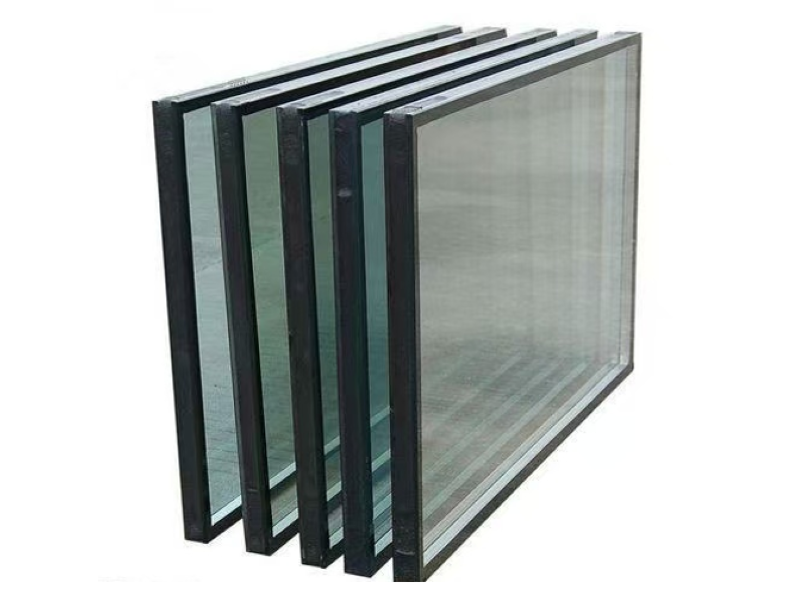
insulated glass refers to a sealed glazing system engineered as a single integrated unit, commonly called an Insulated Glass Unit (IGU).
An IGU includes more than just two pieces of glass.
Typical IGU Components
| Component | Purpose |
|---|---|
| Glass panes | Structural glazing layers |
| Spacer bar | Maintains cavity spacing |
| Desiccant | Absorbs internal moisture |
| Primary seal | Prevents gas leakage |
| Secondary seal | Provides structural strength |
| Gas cavity | Improves thermal performance |
This construction turns the glazing into a sealed thermal system, rather than simply two panes separated by a gap.
The Real Difference: Structure vs System
The confusion between the two terms comes from how they are used in different industries.
| Term | What It Describes |
|---|---|
| Double glazing | The number of glass layers |
| Insulated glass | The complete engineered glazing unit |
In other words:
All insulated glass units with two panes are double glazed, but not all double-glazed assemblies are high-performance insulated glass systems.
For example, some low-cost double-pane windows may lack:
Gas filling
Advanced sealing systems
Thermal spacer technology
Without these elements, their thermal performance can be significantly lower than a properly engineered IGU.
Thermal Performance Comparison
| Feature | Double Glazing (basic) | Insulated Glass (IGU) |
|---|---|---|
| Heat insulation | Moderate | High |
| Gas filling | Sometimes | Common |
| Seal technology | Basic | Multi-layer sealing |
| Energy efficiency | Improved vs single glass | Optimized for energy performance |
| Lifespan | Variable | Typically longer with proper sealing |
In modern architectural design, most “double glazing” used in commercial or high-efficiency buildings is actually engineered insulated glass.
Why the Terminology Matters in Construction Projects
In construction documents and procurement specifications, the distinction can influence performance requirements and product selection.
Architects often specify insulated glass units with precise parameters such as:
U-value (thermal transmittance)
SHGC (solar heat gain coefficient)
Visible light transmittance
Acoustic performance
Simply requesting “double glazing” may not guarantee these performance standards unless the glazing is defined as a sealed IGU system.
Typical Applications
Both double glazing and insulated glass are used across modern building projects.
Residential buildings
Most modern homes use double-glazed insulated glass windows to improve energy efficiency and reduce heating and cooling costs.
Commercial buildings
Office towers and shopping centers often use high-performance IGUs combined with technologies such as:
Low-E coatings
Laminated safety glass
Tempered structural panes
Curtain wall systems
Large glass façades rely almost exclusively on insulated glass units to balance thermal performance, daylighting, and structural safety.
When Triple Glazing Enters the Picture
Another reason the terminology matters is the rise of triple glazing.
Triple glazing refers to three panes of glass with two insulating cavities, creating an even more efficient glazing system.
In this case:
Double glazing = two panes
Triple glazing = three panes
Both are still types of insulated glass units
Triple glazing is especially common in:
Cold climate regions
Passive house construction
High-performance energy buildings
Common Misconceptions
Double glazing always means insulated glass
Not necessarily. The performance depends on sealing quality, gas filling, and spacer technology.
Insulated glass only refers to double-pane windows
Insulated glass can include double or triple glazing systems.
All double glazing has the same energy efficiency
In reality, performance can vary widely depending on coatings, gas type, and spacer design.
Frequently Asked Questions
Is double glazing the same as insulated glass?
In everyday language, yes. But technically, insulated glass refers to the complete sealed glazing system, while double glazing only describes the two-pane structure.
Which performs better?
A properly engineered insulated glass unit usually delivers better thermal performance and durability than a basic double-pane assembly.
Can insulated glass have more than two panes?
Yes. Triple glazing is also considered a type of insulated glass unit.
Why does double glazing sometimes fog inside?
Fogging usually indicates seal failure, allowing moisture to enter the cavity between panes.
Final Thoughts
The difference between insulated glass and double glazing is largely a matter of terminology versus engineering detail.
Double glazing describes the physical configuration of two glass panes, while insulated glass refers to the complete sealed unit designed to control heat transfer, moisture, and energy performance.
In modern construction, most high-quality double-pane windows are actually insulated glass units, engineered to meet increasingly strict energy efficiency standards in residential and commercial buildings.
