

Is Ultra Clear Glass Really Worth 20–30% More Than Standard Clear Glass?
When budgeting for high-end buildings or commercial projects, one question comes up again and again:
“Is ultra clear glass (low iron glass) really worth paying 20–30% more than standard clear glass?”
As a factory with 25 years of manufacturing experience, Aolide believes the answer goes beyond appearance.
It’s about long-term safety, performance, and overall project value.
Below are five key technical advantages you should consider before making a decision.
1. Superior Optical Clarity (No Green Tint)
The most noticeable difference is color.
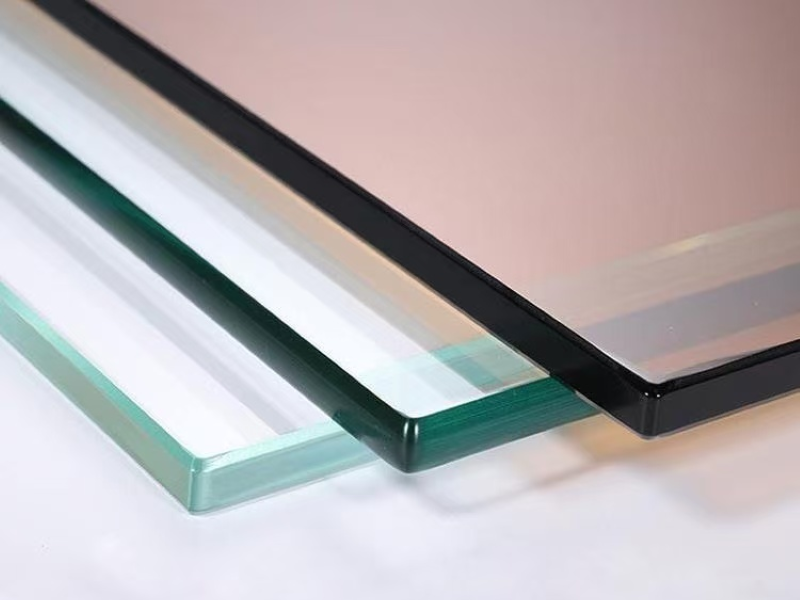
Standard clear glass contains a higher level of iron oxide, which creates a visible green tint — especially along polished edges or when multiple layers of glass are combined.
Technical data:
Standard clear glass transmittance: ~89%.
Ultra clear glass transmittance: over 91.5%.
Why it matters:
For high-end jewelry stores, museum display cases, or luxury showrooms, even slight color distortion can affect how products are perceived.
Ultra clear glass ensures true, natural color presentation.
2. Much Lower Risk of Spontaneous Breakage
This is one of the most important — yet often overlooked — advantages in engineering projects.
Standard tempered glass may contain microscopic impurities, such as nickel sulfide inclusions, which can cause spontaneous breakage over time.
The science behind it:
Ultra clear glass is produced from high-purity raw materials, with iron content typically below 120 ppm, which significantly reduces internal impurities.
The result:
Using ultra clear tempered glass in high-rise facades or glass skylights greatly lowers the risk of spontaneous breakage, reducing future maintenance and replacement costs.
3. Better Appearance for Thick and Laminated Glass
As glass thickness increases, the green tint of standard glass becomes more obvious.
In practice:
If your project requires 15 mm or 19 mm thick glass, or heavy laminated insulating glass units, standard glass often looks dark and dull.
The Aolide advantage:
We specialize in processing thick ultra clear glass panels, keeping crystal-clear edges even at greater thicknesses. This makes them ideal for premium furniture, facades, and structural glass applications.
4. Better Thermal Stability and Overall Performance
Ultra clear glass absorbs less solar energy than standard clear glass, which helps reduce thermal stress.
When used as the outer pane in Low-E insulating glass units, it increases visible light transmission (VLT) while maintaining the required U-value performance.
This makes ultra clear glass a functional choice for sustainable architecture and green building projects, not just an aesthetic upgrade.
5. Factory-Direct Customization and Reliability
Choosing the right material is only half the job — processing quality matters just as much.
Raw materials:
We use Tier-1 low iron glass suppliers such as Jinjing and Xinyi, ensuring consistent purity across all b atches.
Precision processing:
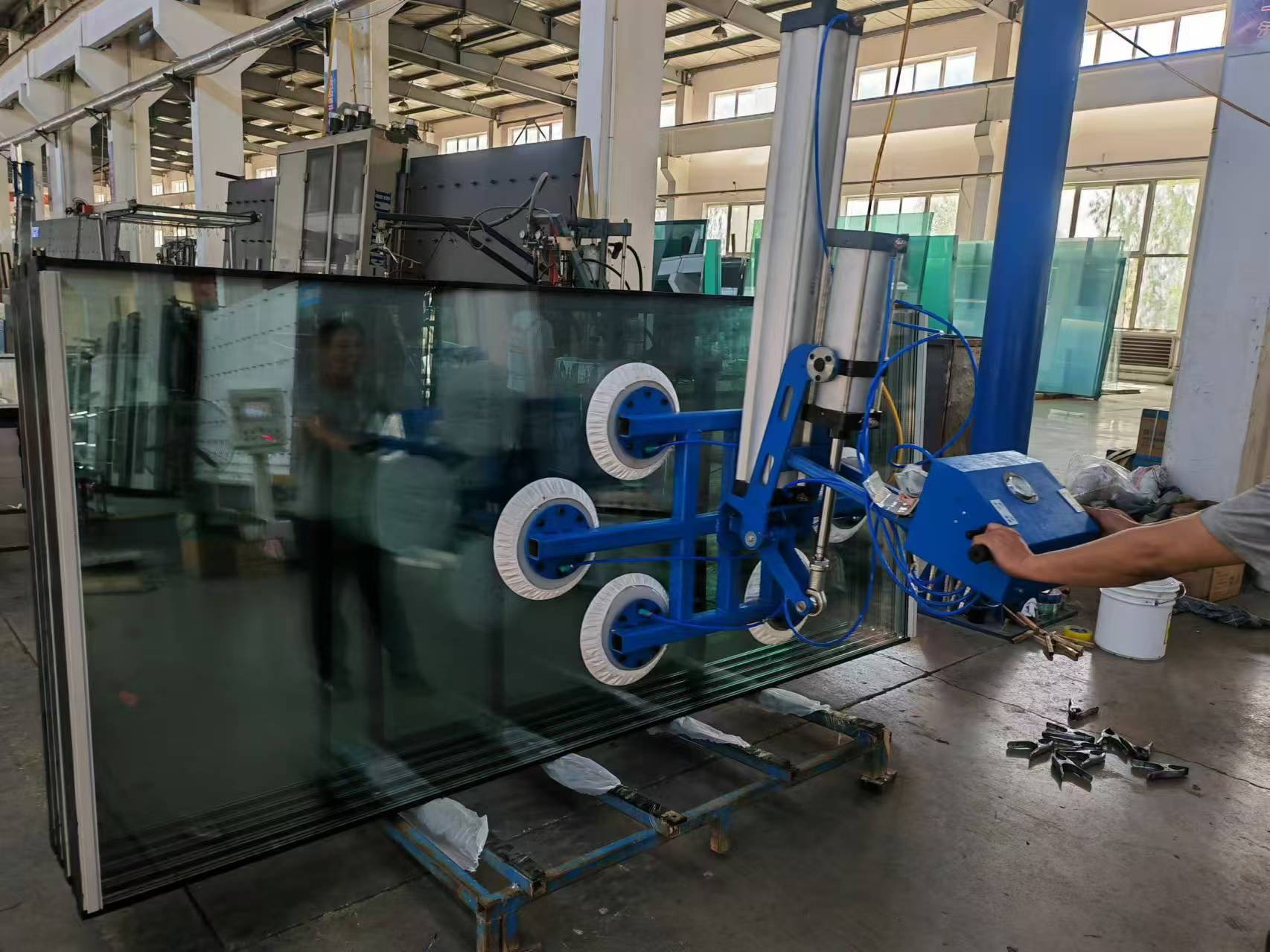
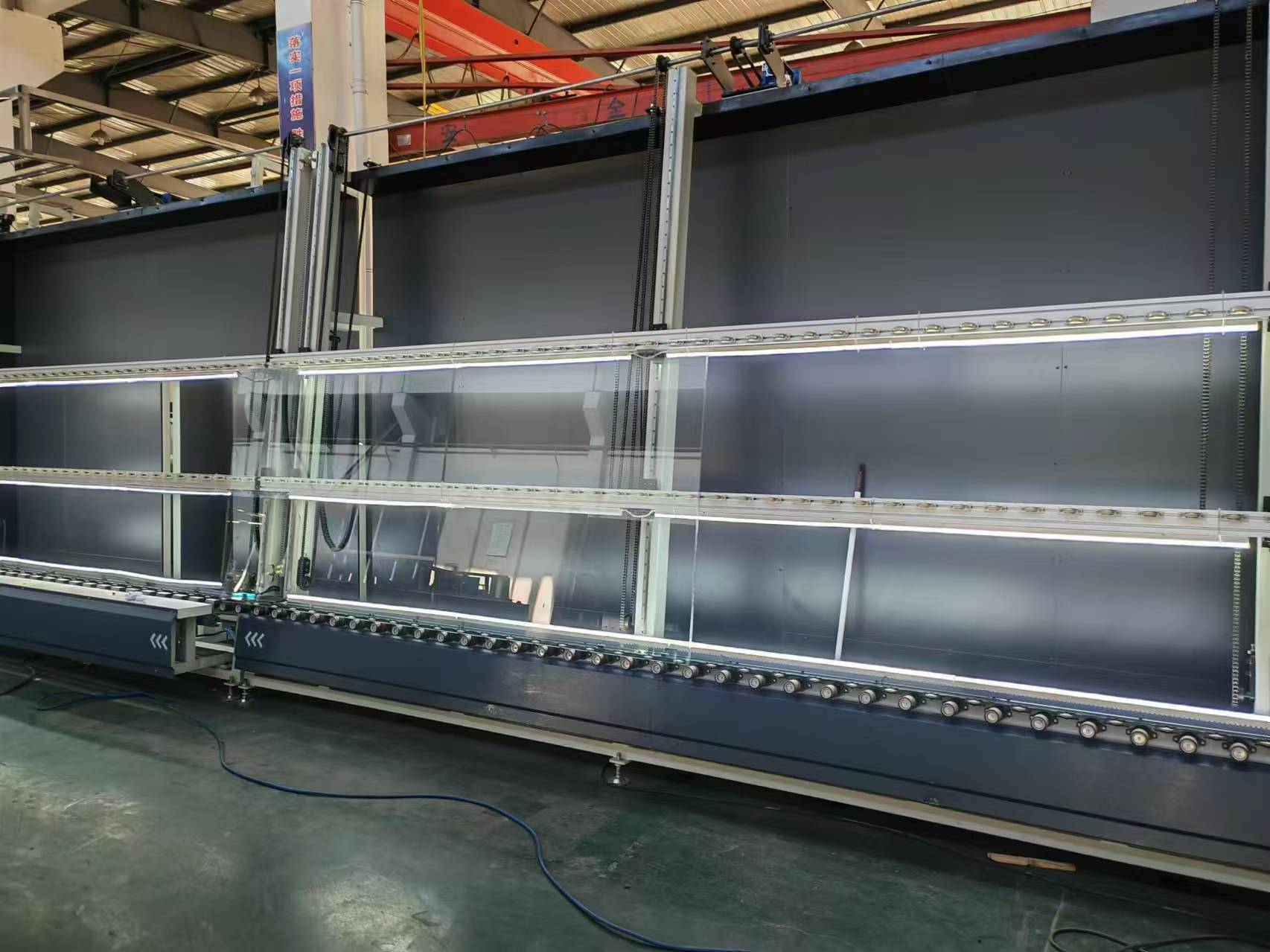
At our Shenyang factory, we provide high-precision edge polishing and tempering tailored specifically for architectural projects.
Lead time:
As a factory-direct supplier, we maintain a standard 10–15 day production cycle, helping project managers stay on schedule without the delays often caused by trading intermediaries.
Standard Clear Glass vs. Ultra Clear Glass
| Feature | Standard Clear Glass | Ultra Clear Glass |
| Transmittance | ~89% | >91.5% |
| Edge Color | Visible green | Neutral / crystal clear |
| Spontaneous Breakage Risk | Standard | Significantly lower |
| Ideal Applications | General construction | Jewelry stores, museums, facades |
Final Verdict: Is It Worth the Cost?
If your project involves high-value displays, thick structural glass, or locations where maintenance is difficult and expensive, the “extra cost” of ultra clear glass is actually an investment in safety, durability, and brand image.
Aolide provides fully customized ultra clear tempered and laminated glass solutions for global engineering projects.
Note: We focus on architectural and commercial orders and do not supply individual residential interior decoration projects.
