
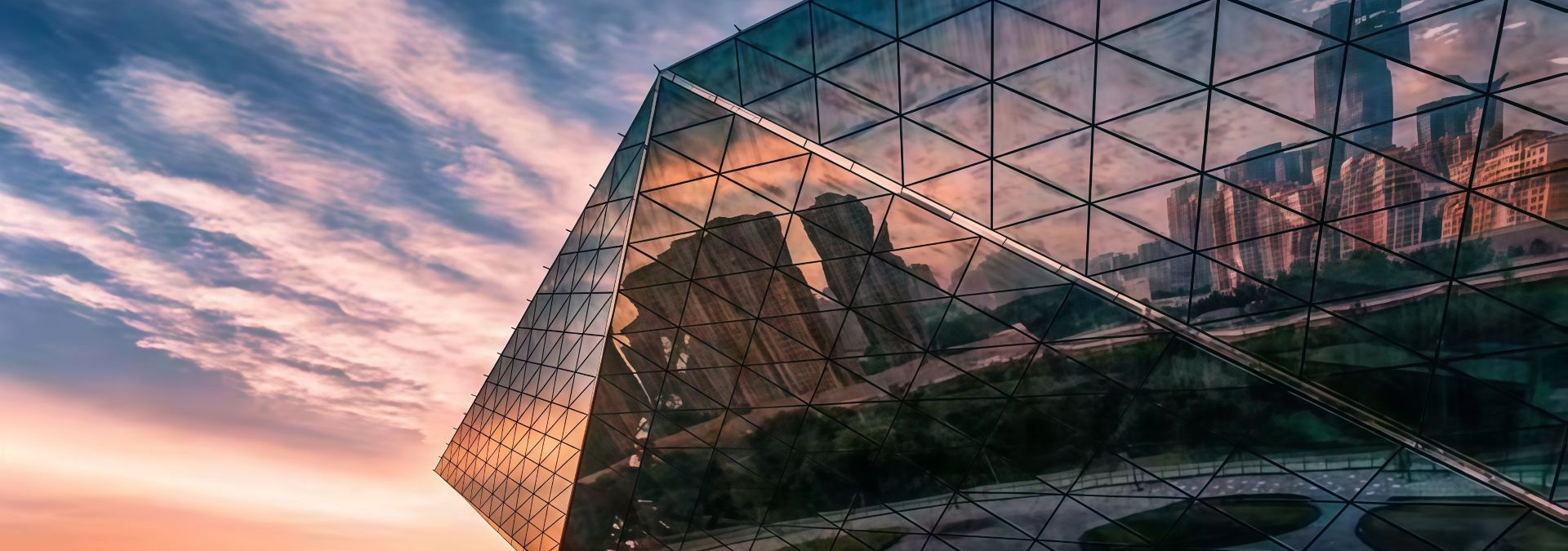
The 2026 Guide to Types, Benefits, Cost, and ROI
As extreme climate conditions intensify worldwide and new building carbon-emission regulations come into effect in 2026, energy efficiency in homes has shifted from being an optional upgrade to a fundamental requirement.
In the past, windows were often considered the weakest point in a building’s energy performance.
Today, with Low-E (Low-Emissivity) technology, windows have evolved into a smart energy-control layer within modern architecture.
Quick Answer
Low-E glass is a special type of glass coated with an ultra-thin atomic layer of metal—primarily silver.
This coating acts like a thermal mirror, reflecting heat energy:
In summer, it blocks over 95% of infrared heat from entering the building.
In winter, it reflects indoor heat back into the room.
According to 2026 performance data, high-performance Low-E windows can reduce energy costs by 25%–35%.
Table of Contents
What Is Low-E Glass?
How It Works in 2026: Spectral Management Technology
Advanced Types of Low-E Glass (Including Quad-Silver Technology)
Core Advantages and Comfort Improvements
Return on Investment (ROI)
Global and China Market Trends in 2026
Low-E Glass vs. Alternative Solutions
Drawbacks and Technological Breakthroughs in 2026
Lifespan and Maintenance
Latest Building Codes (2026 Edition)
How to Choose the Right Configuration for Your Home
Frequently Asked Questions (FAQ)
What Is Low-E Glass?
“Low-E” stands for Low Emissivity, which describes how efficiently a material emits radiant heat.
Standard glass: emissivity around 0.84, meaning heat easily transfers through it.
High-performance Low-E glass (2026): emissivity can be reduced to below 0.015 through multi-layer silver coatings.
In modern building science, Low-E glass is no longer simply described as “insulating glass.”
Instead, it is considered a spectrally selective surface.
This means the glass can allow visible light to pass through while reflecting thermal radiation.
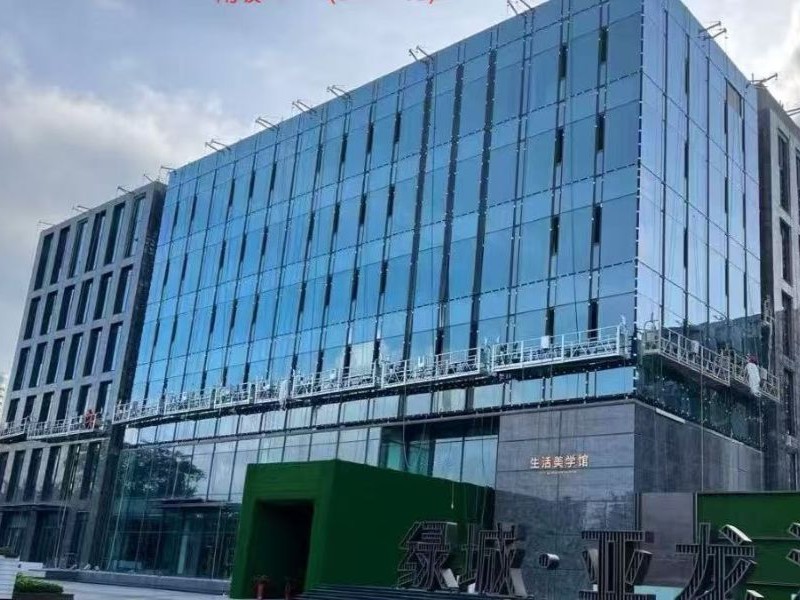
How Low-E Glass Works: Spectral Management
The key lies in vacuum sputtering coating technology.
By 2026, coating processes have achieved nanometer-level precision.
Infrared Reflection
The metallic coating reflects infrared radiation:
Preventing outdoor heat from entering during summer
Reflecting indoor heating energy back into the room during winter
UV Protection
Low-E coatings also block up to 99% of ultraviolet radiation, helping protect:
furniture
artwork
hardwood flooring
from fading.
Types of Low-E Glass
The market for Low-E glass in 2026 is highly segmented.
Online Hard-Coat (Pyrolytic)
Applied during glass manufacturing at high temperatures.
Extremely durable
Suitable for single-pane retrofits or industrial environments
Offline Soft-Coat (Sputtered)
The dominant technology in modern buildings.
Must be sealed inside double or triple glazing units
Provides significantly better energy performance
Single-Silver / Double-Silver
More economical solutions typically used in mild climates.
Triple-Silver Low-E
The industry standard in 2026, balancing:
high visible light transmission
extremely low solar heat gain
Hard-Coat vs Soft-Coat Low-E
| Feature | Hard Coat | Soft Coat |
|---|---|---|
| 2026 Market Position | Industrial / simple retrofits | Residential and high-performance buildings |
| Thermal Efficiency (U-Value) | Moderate (1.5–1.8) | Excellent (0.6–1.1) |
| Light Transmission | Slightly lower | Very high |
Advantages of Low-E Glass
Lower Energy Costs
With rising electricity prices and tiered energy pricing in 2026, Low-E glass can significantly reduce both cooling and heating expenses.
Improved Acoustic Comfort
Modern Low-E glazing is often combined with asymmetric insulated glass structures, which improve sound insulation.
Eliminates Temperature Discomfort
Low-E glass helps eliminate:
overheating near windows in summer
cold zones near windows in winter
This creates a more uniform indoor thermal environment.
Return on Investment (ROI)
Initial Cost
Low-E insulated glass typically costs 15%–25% more than standard double glazing.
Payback Period
In 2026, the estimated payback period is approximately 3–5 years, depending on local energy prices.
Property Value Increase
Homes with certified energy-efficient building ratings often see 5%–8% higher resale value.
Low-E Glass vs Alternative Solutions
| Feature | Low-E Glass | Tinted Glass | Window Film |
|---|---|---|---|
| Insulation Lifespan | 25+ years | ~10 years | 5–10 years |
| Appearance | Clear and transparent | Dark and tinted | Possible mirror reflection |
| Cost Performance | High long-term value | Lower efficiency | Suitable mainly for rentals |
Drawbacks and Technological Challenges (2026)
Color Distortion
Some low-quality Low-E glass can produce green or purple color shifts.
New ultra-clear substrate Low-E glass largely eliminates this issue.
Thermal Stress Risk
Certain coatings with high absorption rates may cause thermal breakage.
To address this, 2026 building standards require heat-soak testing (HST) for high-performance Low-E glass.
Signal Interference
Early Low-E coatings sometimes weakened 5G signal transmission.
Modern products may include “Signal-Passing” coatings designed to reduce this problem.
Building Codes (2026 Update)
China GB Standards
Many regions now require new residential buildings to achieve U-values below 1.5, which effectively makes Low-E glass mandatory.
Climate-Based Coating Selection
2026 regulations emphasize climate-specific glazing design:
Northern regions: higher SHGC to utilize winter sunlight
Southern regions: lower SHGC to reduce summer heat gain
Frequently Asked Questions
How can I verify if my glass is truly Low-E?
In 2026, a simple method is to use a smartphone flashlight and a detection app.
When the light reflects off the glass, you will see four reflection points.
The reflection corresponding to the Low-E coating usually appears reddish or purple, indicating the coated surface.
Will Low-E glass make rooms darker?
No.
Modern triple-silver Low-E glass can achieve visible light transmission above 70%, which is nearly indistinguishable to the human eye.
Which is better: vacuum Low-E or insulated Low-E?
Vacuum Low-E glazing represents the future of window technology.
Thickness: about half of traditional insulated glazing
Comparable thermal insulation performance
For building retrofits where the original window frame must remain, vacuum Low-E glass can be an excellent solution.
Conclusion
By 2026, Low-E glass is no longer an optional upgrade—it has become a fundamental component of low-carbon housing.
This technology improves living comfort in a subtle but powerful way:
it enables warm winters and cool summers without sacrificing natural daylight.
Final Recommendation
If you are installing new windows in 2026, avoid entry-level single-silver coatings.
Instead, choose double-silver or triple-silver offline Low-E glass.
The small additional investment will often pay for itself through energy savings over the next 20 years.
