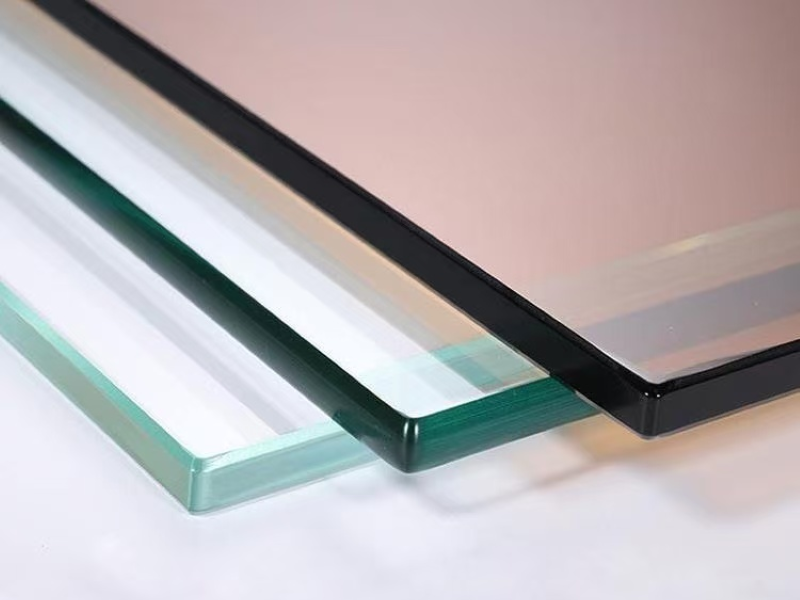
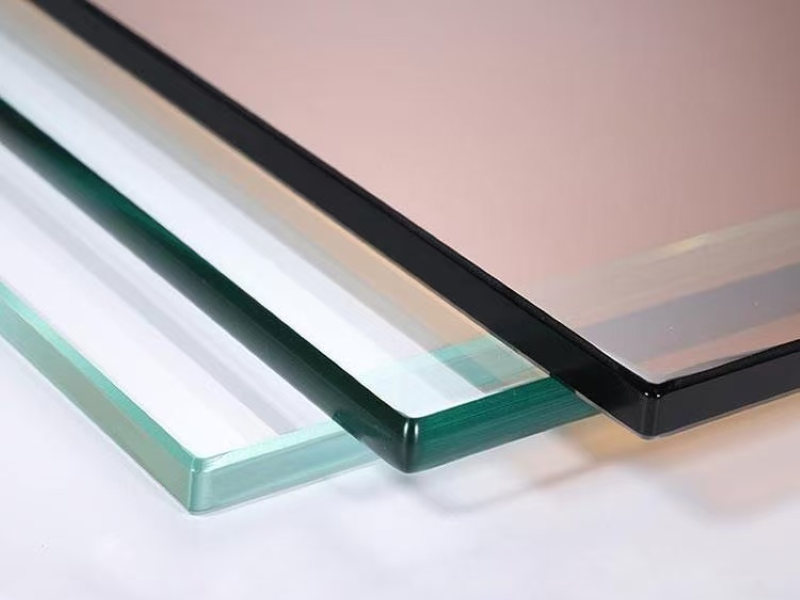
When choosing premium glass for applications such as frameless shower doors, aquariums, museum displays, or architectural railings, you may come across two common terms: ultra clear glass and low iron glass.
Ultra-clear tempered glass, with its exceptional transparency, robust performance, and low maintenance costs, has become the preferred material for high-end curtain walls and interior partitions. This article analyzes its application scenarios, advantages, and reasons for selection, helping B2B buyers make quick decisions.
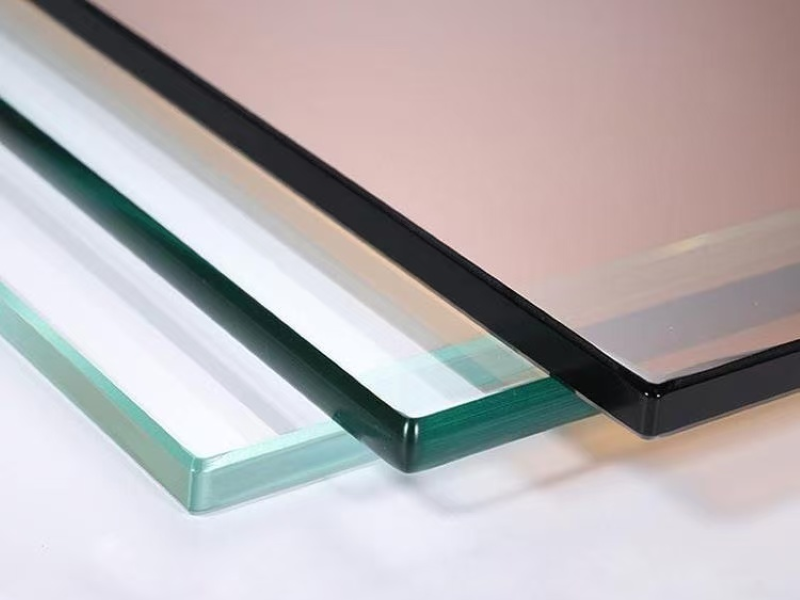
Don't get confused by glass samples. Learn how to tell the difference between ultra-clear (low-iron) and standard clear glass with 3 quick naked-eye tests used by professionals.
Explore the 2026 ultra clear glass price trends. Learn why low-iron glass is the preferred choice for high-end curtain walls and how its ROI surpasses standard float glass through lower breakage rates and superior aesthetics.
Explore the benefits of Ultra Clear Glass (Low Iron Glass) for large-scale engineering projects. Featuring 91.5%+ light transmission, CSG raw materials, and advanced Soos tempering technology, SY ALD Glass del
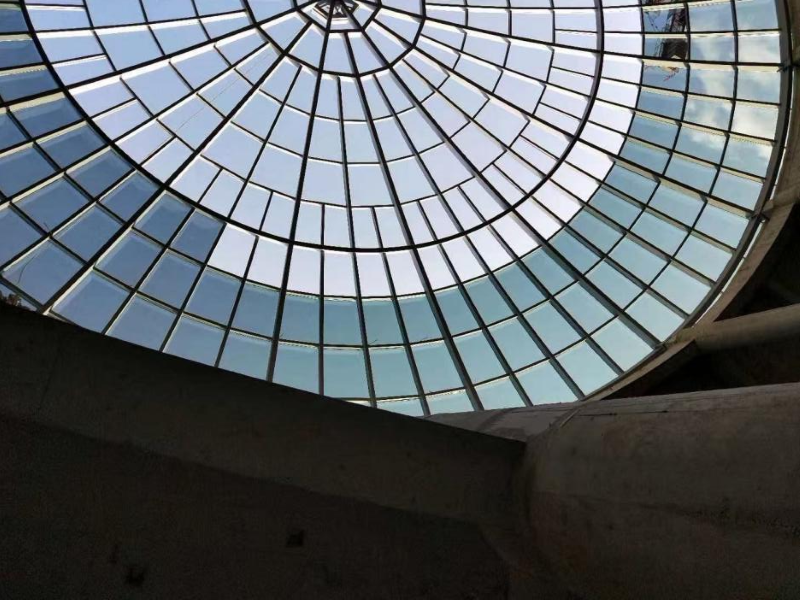
In high-end curtain wall systems, skylights, and commercial building projects, ultra-clear glass (also known as low-iron glass) has become a standard specification.
However, for engineering procurement teams, focusing solely on price without understanding the performance data behind the material often leads to costly long-term mistakes.