

For structural glass engineers and curtain wall contractors, the quality of Laminated Insulating Glass comes down to one core factor:
the long-term bonding integrity between the glass and the interlayer.
Many suppliers can offer laminated products, but real durability depends on the precision of the equipment used during vacuum heating and autoclave processing.
At Aolide, we break down how advanced equipment parameters help eliminate common defects such as delamination and haze.
1. Preheating and De-Airing: Getting Rid of Trapped Air
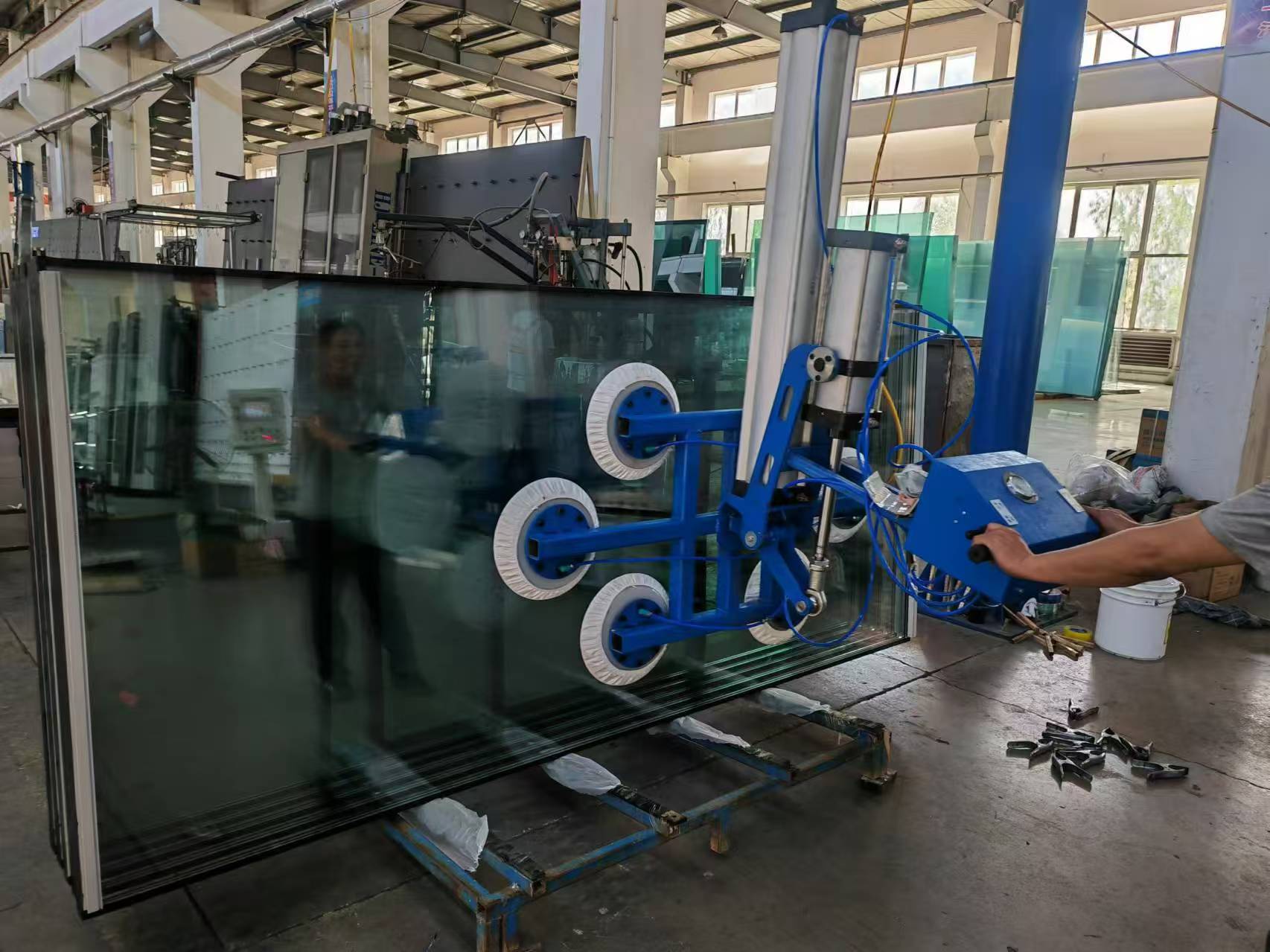
The first critical step in Laminated Insulating Glassproduction is removing residual air between the glass layers and the PVB or SGP interlayer.
Automated roller pressing
We use high-precision automatic roller presses to mechanically push air out of the interface before lamination.
The 70°C control point
Preheating temperature is tightly controlled at around 70°C.
This temperature is key:
The interlayer becomes soft enough to allow air to escape.
But not so soft that it causes edge squeeze-out, a common failure where edges seal too early and trap bubbles in the center of the panel.
2. Molecular Bonding Inside the Autoclave
The autoclave is where physical assembly turns into permanent molecular bonding.
For architectural safety glass, this thermo-mechanical cycle must be extremely stable.
Stable pressure and temperature
Our autoclave systems maintain:
1.3 MPa (13 bar) constant pressure.
140°C stable temperature.
This pressure forces the interlayer deep into the microscopic surface texture of the glass, creating a fully bonded structure.
Controlled cooling
To avoid residual thermal stress — which can later lead to spontaneous breakage — our equipment uses automatic cooling control.
Temperature is reduced gradually and evenly before pressure release, helping preserve long-term structural integrity.
3. Environmental Control: ISO 7 Cleanroom
Even the best equipment can’t guarantee quality if the environment is unstable.
PVB interlayers are highly moisture-sensitive.
Humidity control
All lamination is done in an ISO 7 (Class 10,000) cleanroom, with humidity kept below 25%.
What happens if humidity is too high
Poor humidity control weakens chemical bonding, which can cause hazing or edge delamination years after installation.
Aolides' standardized environment ensures every Laminated Insulating Glass unit meets high clarity and durability expectations.
4. Certified Manufacturing Standards
Our commitment to serious manufacturing is backed by recognized certifications.
ISO 9001:2015
Ensures consistent process control and product quality.
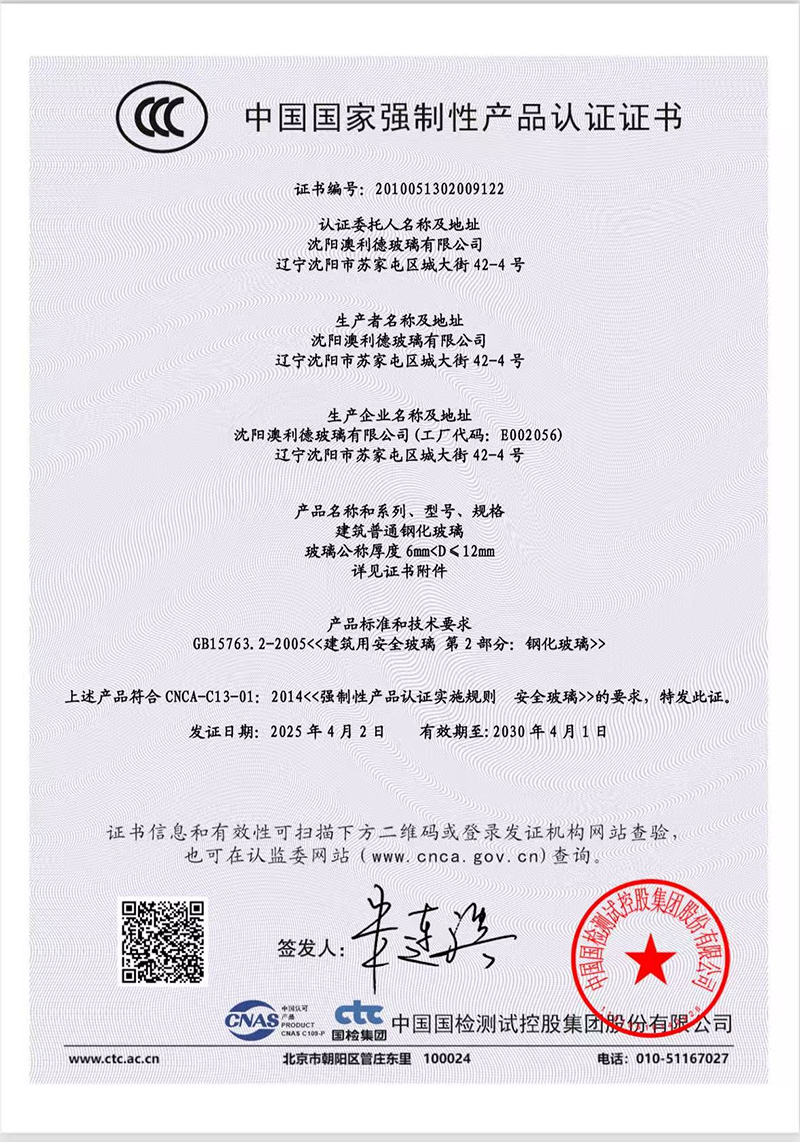
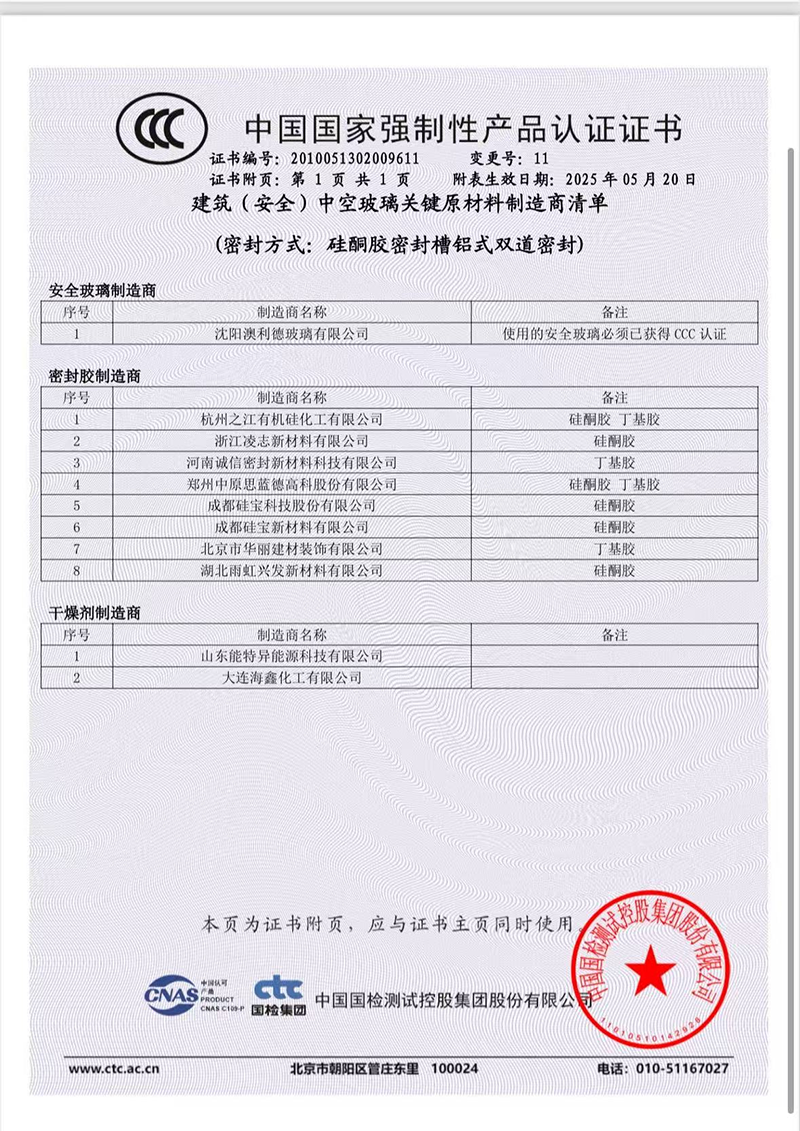
CCC Certification
Required for high-strength safety glass in China.
Engineering focus
We specialize in large-volume architectural projects.
Please note: we do not supply glass for individual residential interior decoration projects.
Production lead time
Thanks to our fully integrated factory workflow, we maintain a reliable 10–15 day production cycle.
Why the Details Matter
The real quality of Laminated Insulating Glass is decided by the invisible details — vacuum levels, temperature curves, pressure stability, and cooling speed.
By controlling the physics of air removal and the thermodynamics of autoclave cycles, Aolide delivers Laminated Insulating Glass that meets even the most demanding 2026 building code requirements.
Contact Aolide if you need:
Process documentation.
Project-specific technical data.
Long-term performance solutions for structural glass systems.
