

When upgrading windows for a commercial or architectural project, you will inevitably encounter two terms: Double Glazing and Low-E Glass. Many buyers ask, "Is Low-E glass as good as double glazing?"
The short answer is: They serve different purposes, but they work best as a team. While double glazing provides a barrier against conducted heat, Low-E glass acts as a shield against radiant heat.
As a professional glass manufacturer with 25 years of industry experience, Aolide breaks down the differences and explains why the combination is the gold standard for modern engineering.
1. Structure vs. Coating: Understanding the Difference
To understand the comparison, we must first define what each one actually is:
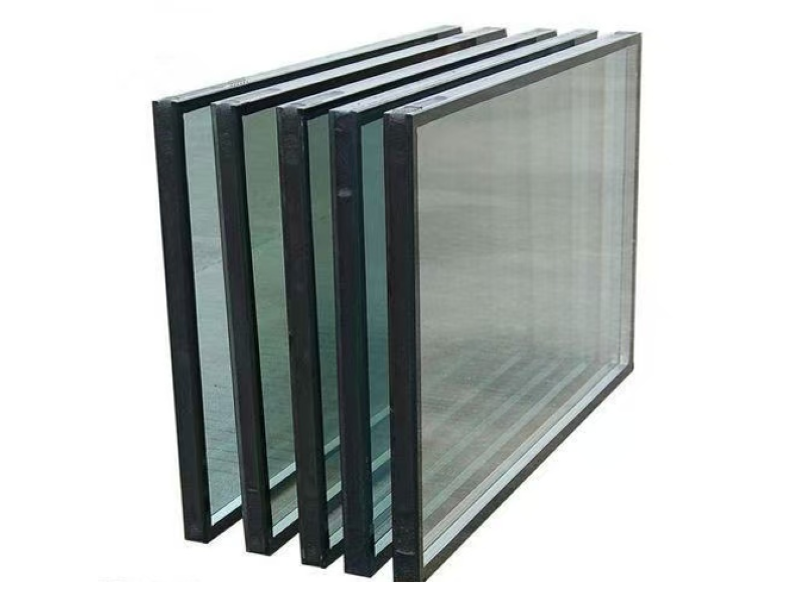
Double Glazing(IGU): This refers to the structure. It consists of two panes of glass separated by a vacuum or gas-filled space (Argon). Its primary job is to reduce conduction (the transfer of heat through solids).
Low-E Glass: This refers to a coating. It is a microscopically thin layer of metallic oxide applied to the glass surface. Its primary job is to reduce emissivity (the transfer of heat through radiation).
2. Science: How They Work Together
If you only have double glazing without a Low-E coating, you are only solving half the problem. Aolide’s Low-E Insulating Glass Units (IGUs) handle three types of light energy:
Visible Light: Both allow natural light to brighten your interior.
Infrared Light (Heat): Double glazing slows down the heat moving through the air gap, but Low-E reflects the heat back to its source (keeping heat out in summer and in during winter).
Ultraviolet (UV) Light: Standard double glazing offers minimal protection, but Aolide's Low-E coating blocks up to 90% of UV rays, protecting furniture from fading.
3. Performance Comparison: Data at a Glance
Note: The lower the U-Value, the better the insulation.
Glass Type | U-Value (Thermal Insulation) | Energy Saving Potential |
Single Pane Glass | 5.8 | Low (High Energy Loss) |
Standard Double Glazing | 2.8 | Moderate |
Aolide Low-E Double Glazing | 1.1 - 1.6 | Superior (Highly Efficient) |
4. Key Classifications: Hard Coat vs. Soft Coat
When ordering from a factory like Aolide, you must choose the right coating type for your Insulating Glass Unit (IGU).
Feature | Hard Coat (Pyrolytic) | Soft Coat (Sputtered) |
Performance | Basic Insulation | Maximum Insulation (Lower U-Value) |
Clarity | May have a slight tint | High Clarity & Diverse Colors |
Application | Can be used in single panes | Exclusively for High-End IGUs |
At Aolide, we specialize in high-performance Soft Coat Low-E to ensure the highest ROI for architectural engineering projects.
5. Why Aolide is the Preferred Choice for Engineering Projects
Choosing the right glass is only half the battle; choosing the right manufacturer is the other half.
25 Years of Cultivation: Aolide has spent over two decades perfecting the standardization and streamlining of glass production.
Physical Factory, Not a Trader: We are a real factory. We control every step of the process, ensuring that quality, after-sales service, and production cycles strictly follow the contract.
Tier-1 Raw Materials: We use only first-line brand materials and advanced equipment, ensuring our Low-E coatings remain stable and clear for decades.
Engineering Focus: We specialize in architectural and engineering glass. Note: We do not process individual home decoration or DIY glass.
6. Professional Buying Guide & Logistics
If you are planning an order with Aolide, please keep these critical points in mind:
Customization Cycle: Low-E glass is a highly technical product. Our standard processing cycle is 10-15 days.
Tempering & No Modifications: All our architectural glass is tempered for safety. Once produced, it cannot be cut, drilled, or modified. Please verify all dimensions and hole positions before production begins.
Color Options: Low-E glass comes in many colors and performance levels. We recommend leaving a message to communicate your specific aesthetic and climate needs.
7. FAQ
Q: Does Low-E glass affect indoor plant growth?
A: No. Photosynthesis primarily uses visible light, which Low-E glass allows to pass through. It only blocks the heat and UV rays that can scorch plants.
Q: How can I tell if my double glazing has a Low-E coating?
A: Use the "Lighter Test." Hold a flame in front of the glass. You will see four reflections. If one reflection is a different color (often pink or purple), that pane has a Low-E coating.
Conclusion: The Ultimate Verdict
Is Low-E glass as good as double glazing? It is better, because it makes double glazing perform at its peak.
For any modern engineering project, using standard double glazing without a Low-E coating is a missed opportunity for energy savings. Aolide’s Low-E Insulating Glass provides the ultimate balance of thermal comfort, UV protection, and long-term cost efficiency.
Ready to elevate your project?
Explore Aolide's Low-E Product Range or contact our technical team for a custom quote.
