
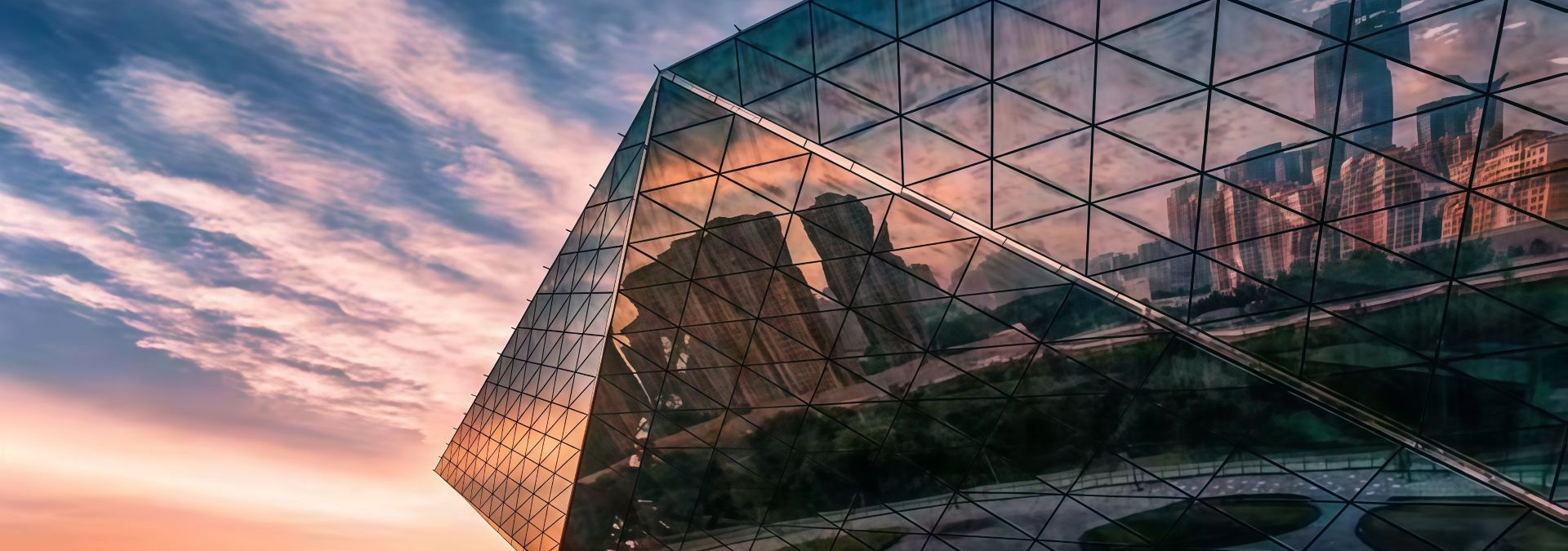
In the modern construction landscape, Low-E (Low Emissivity) insulating glass is often hailed as the "gold standard" for energy efficiency. But for architects, developers, and project managers, the critical question remains: Does it really make a tangible difference to the bottom line?
In this ultimate guide, Aolide, a professional architectural glass manufacturer with 25 years of expertise, explores the science, the savings, and the professional standards of Low-E technology.
1. What is Low-E Insulating Glass?
Low-E glass features a microscopically thin, transparent coating—typically consisting of silver or metallic oxides—that reflects thermal radiation. When this glass is incorporated into an Insulating Glass Unit (IGU), it creates a powerful thermal barrier.
Does it make a difference?
Absolutely. Compared to standard clear glass, Low-E insulating glass can reduce energy loss by 30% to 50%. It is the single most effective component in creating a sustainable, "green" building envelope.
2. The Science: How It Works
Low-E glass is "spectrum-selective," meaning it treats different wavelengths of light differently:
Visible Light: It allows natural sunlight to pass through, keeping interiors bright and reducing the need for artificial lighting.
Infrared Light (Heat): This is where the magic happens. It reflects long-wave infrared (indoor heat) back inside during winter and blocks short-wave infrared (solar heat) from entering during summer.
Ultraviolet (UV) Light: It blocks up to 90% of harmful UV rays, acting as a "sunscreen" for your building to prevent furniture, carpets, and artworks from fading.
3. Hard Coat vs. Soft Coat: Which One Do You Need?
Not all Low-E coatings are the same. Choosing the right one depends on your project requirements.
Feature | Hard Coat (Pyrolytic) | Soft Coat (Sputtered) |
Manufacturing | Applied during glass production | Applied in a vacuum chamber (Offline) |
Energy Efficiency | Moderate | Superior (Lowest U-Values) |
Aesthetics | Slight tint, limited options | Neutral/Clear with diverse colors |
Durability | Scratch-resistant | Delicate (Must be sealed in an IGU) |
Best Use | Basic residential/Single pane | Professional Engineering Projects |
At Aolide, we specialize in high-performance Soft Coat Low-E units, providing the maximum insulation and clarity required for high-end architectural glass.
4. The Core Benefits: Why the Investment Pays Off
Beyond energy savings, Low-E glass offers several life-quality improvements:
Thermal Comfort: Eliminates the "cold zone" near windows in winter and prevents the "greenhouse effect" in summer.
Noise Reduction: As an insulating unit (IGU), it significantly dampens exterior traffic and city noise.
Privacy: Many Low-E coatings provide a one-way mirror effect under certain lighting, protecting indoor privacy without blocking the view.
5. Buying Guide: Understanding the Key Parameters
When evaluating quotes, professional buyers must look at these two metrics:
U-Factor (U-Value): Measures heat transfer. The lower the U-Factor, the better the insulation.
SHGC (Solar Heat Gain Coefficient): Measures how much solar heat enters.
Hot Climates: You need a low SHGC to keep heat out.
Cold Climates: You might want a higher SHGC to collect free solar warmth.
6. The Aolide Difference: Why Experience Matters
Choosing a supplier is as important as choosing the glass. Aolide stands out through:
25 Years of Expertise: We have realized standardized, institutionalized, and streamlined production for stable, high-quality results.
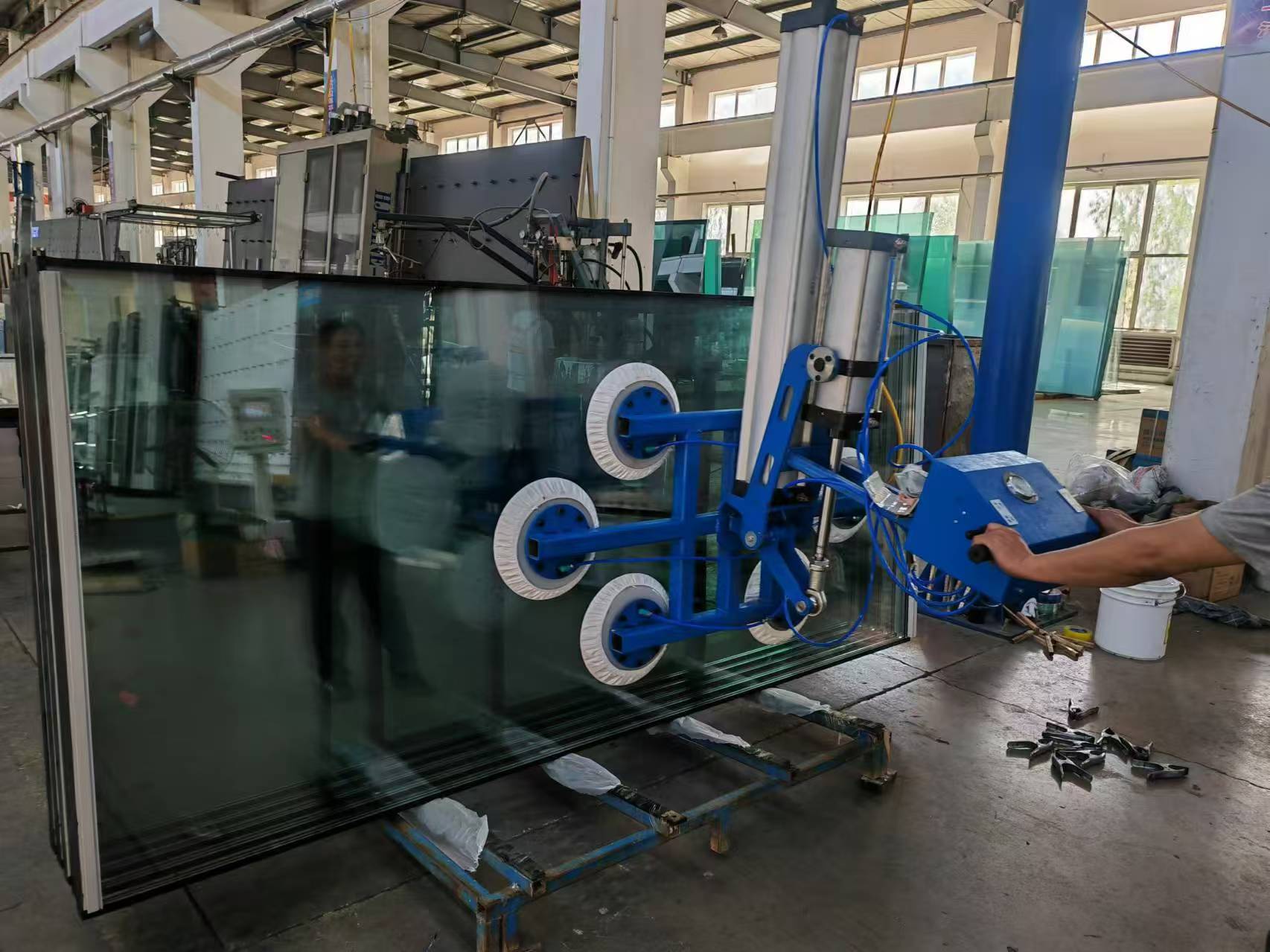
Physical Factory Advantage: We are a real factory, not a trading company. This ensures we strictly fulfill contracts regarding quality, after-sales, and cycles.
Tier-1 Materials: We use only first-line brand raw materials and advanced equipment to prevent oxidation and ensure coating longevity.
Engineering Focus: We specialize in architectural engineering glass. Note: We do not process individual home decoration or DIY glass.
7. Important Ordering Information
To ensure a successful project, keep these logistical facts in mind:
Production Cycle: As a customized product, standard structures require 10-15 days for processing.
Safety First: All our glass is tempered. Once produced, it cannot be cut, drilled, or modified. Dimensions must be verified before the order is placed.
Custom Colors: Low-E performance varies by color. We offer multiple aesthetic options—please leave a message to discuss your design needs.
8. FAQ & Myth Busting
Q: Does Low-E glass kill indoor plants?
A: No. Most plants require visible light for photosynthesis, which Low-E glass allows. It only filters out the heat and UV rays that can actually scorch sensitive plants.
Q: How do I know if my glass is Low-E? (The Lighter Test)
A: Hold a lighter flame in front of the window. In a double-paned unit, you will see four reflections. If the glass is Low-E, one of the four flames will be a different color (usually pink, blue, or purple) compared to the others.
Conclusion: Is It Worth It?
The evidence is clear. While the initial cost of Low-E insulating glass is higher, the Return on Investment (ROI) through energy savings, HVAC longevity, and interior protection makes it the most cost-effective choice for any modern building project.
Partner with a manufacturer that understands excellence.
Explore our technical specs: Aolide Low-E Insulating Glass
Contact us today to discuss your next architectural masterpiece.
