
1. Characteristics of Ultra-Clear Glass
Ultra-clear glass, also known as high-transparency glass or low-iron glass, is a type of ultra-clear, low-iron glass. So, how high is its light transmittance? Ultra-clear glass can reach over 91.5%, exhibiting a luxurious, elegant, and crystal-clear appearance. Therefore, it is known as the "Crystal Prince" of the glass family. Ultra-clear glass boasts superior mechanical, physical, and optical properties unmatched by other glass types. Furthermore, ultra-clear glass possesses all the processability of high-quality float glass, allowing it to undergo various deep processing techniques similar to other float glass. These superior product performance and quality ensure that ultra-clear glass has a broad range of applications and a promising market outlook.
2. Applications of Ultra-Clear Glass
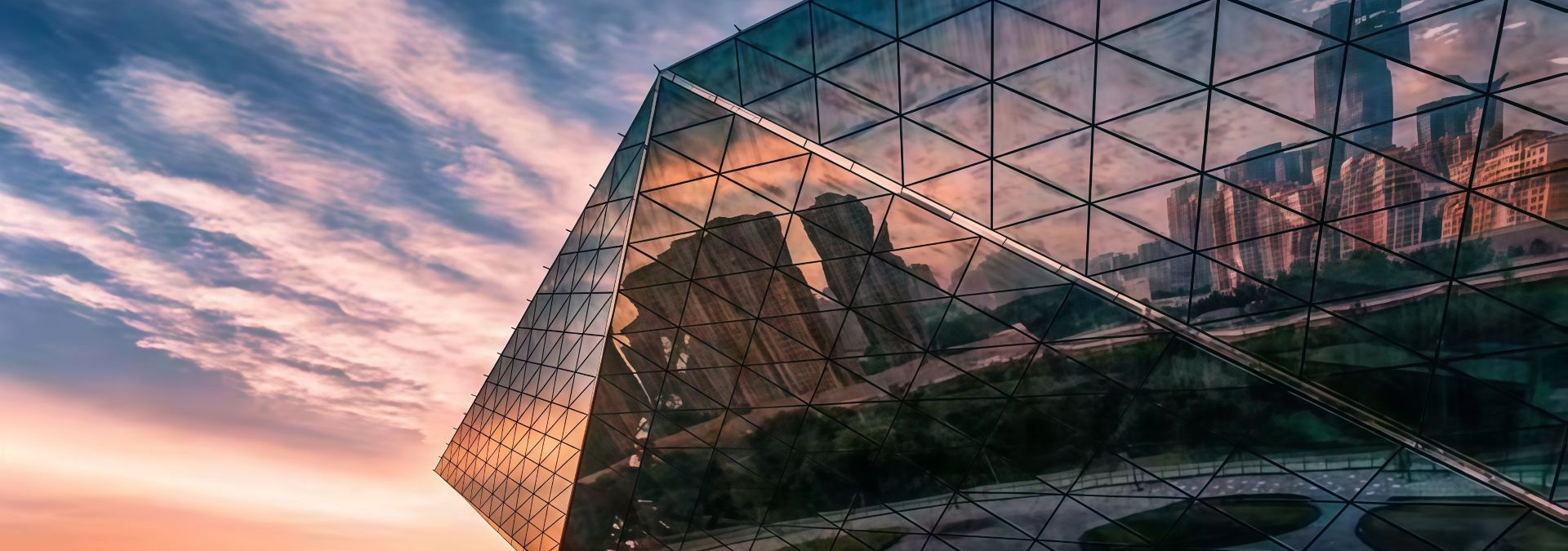
In most countries overseas, ultra-clear glass is primarily used in high-end architecture, high-end glass processing, solar photovoltaic curtain walls, high-end glass furniture, decorative glass, imitation crystal products, lighting glass, precision electronics (copiers, scanners), and specialized construction. Ultra-clear glass is used in numerous prestigious venues across China, including the Beijing National Centre for the Performing Arts, the Beijing Botanical Garden, the Shanghai Opera House, Shanghai Pudong Airport, the Hong Kong Convention and Exhibition Centre, and the Nanjing China Art Center. Ultra-clear glass has also been widely adopted in high-end furniture and decorative lighting. At the Beijing Furniture and Processing Machinery Exhibition, many glass furniture pieces were made with ultra-clear glass.
Ultra-clear glass, as a substrate material, boasts a uniquely high light transmittance, providing a broader space for the development of solar energy technology. Using ultra-clear glass as a substrate for solar thermal and photovoltaic conversion systems is a breakthrough in international solar energy utilization technology, significantly improving photovoltaic conversion efficiency.
3. The Difference Between Ultra-clear and Standard Clear Glass
The differences between the two are:
(1) Iron Content
The difference in transparency between standard clear and ultra-clear glass lies primarily in the amount of iron oxide (Fe₂O₃) they contain, with standard clear containing more and ultra-clear containing less.
(2) Light Transmittance
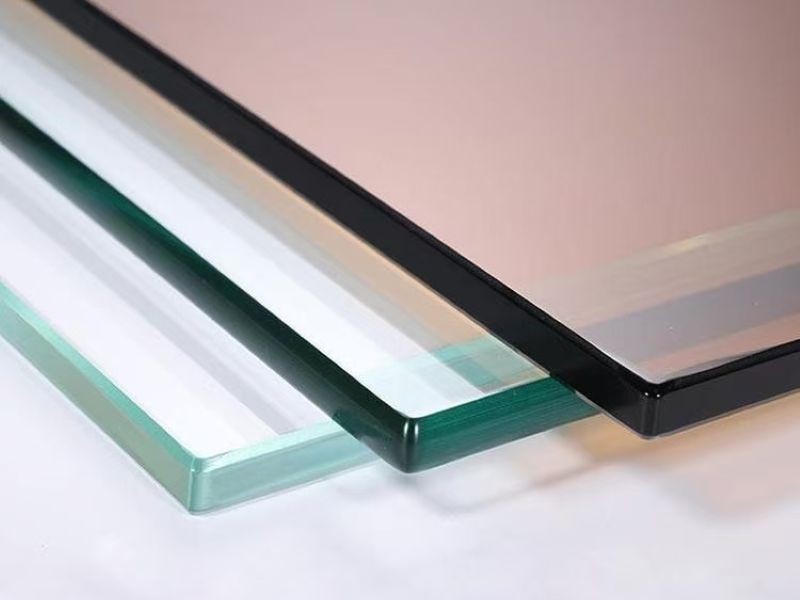
Due to the different iron content, light transmittance also varies. The light transmittance of ordinary white glass is approximately below 86%. Ultra-clear glass, also known as low-iron glass or high-transparency glass, is an ultra-transparent, low-iron glass with a light transmittance exceeding 91.5%.
(3) Different Self-Explosion Rates of Glass
Because the raw materials for ultra-clear glass generally contain fewer impurities such as NiS, and the melting process is meticulously controlled, ultra-clear glass has a more uniform composition and fewer internal impurities than ordinary glass, significantly reducing the chance of spontaneous explosion after tempering.
(4) Different Color Consistency
Because the iron content in the raw materials is only 1/10 or even less than that of ordinary glass, ultra-clear glass absorbs less green light than ordinary glass, ensuring consistent color.
(5) Different Technical Content
Ultra-clear glass has a relatively high technological content, making production control more difficult, and offers greater profitability than ordinary glass. This higher quality translates to a higher price, with ultra-clear glass selling for 1-2 times the price of ordinary glass. While the cost is not much higher than that of ordinary glass, the technical barriers are relatively high, resulting in higher added value.
Why choose ultra-clear glass over regular float glass? – A wise investment for high-end projects and long-term value
If your project requires higher transparency, enhanced visual quality, and stronger market competitiveness, ultra-clear glass is not just an option; it's an upgrade your customers will appreciate. For processing companies, curtain wall companies, and custom home improvement manufacturers, ultra-clear glass means easier bids, higher price premiums, and greater acceptance in the export market. If you're looking for a stable supplier, need custom specifications, or need to purchase ultra-clear glass in bulk, we offer a variety of architectural ultra-clear glass thicknesses. We look forward to collaborating with you.
