

In high-end curtain wall systems, skylights, and commercial building projects, ultra-clear glass (also known as low-iron glass) has become a standard specification.
However, for engineering procurement teams, focusing solely on price without understanding the performance data behind the material often leads to costly long-term mistakes.
With 25 years of glass deep-processing experience, Aolide has compiled this data-driven selection guide to help you strike the optimal balance between cost, performance, and safety.
1. Let the Data Speak:
Ultra-Clear Glass vs. Standard Float Glass
For most project buyers, optical performance and safety are the primary concerns. The comparison below highlights the critical differences at a glance:
| Performance Indicator | Standard Float Glass | Ultra-Clear (Low-Iron) Glass | Procurement Significance |
| Visible Light Transmittance | 86% – 88% | ≥ 91.5% | Directly affects daylighting and spatial transparency |
| Iron Content (Fe₂O₃) | ≥ 1000 ppm (0.1%) | ≤ 150 ppm (0.015%) | Lower iron content means higher clarity and no green tint |
| Tempered Glass Spontaneous Breakage Rate | ≈ 3‰ | < 0.1‰ | Critical for façade safety and long-term maintenance cost |
| UV Transmittance | ≈ 3‰ | Lower (after special processing) | Protects interiors, furniture, and exhibits from UV damage |
| Visual Appearance | Greenish edge, color distortion | Crystal-clear, true color reproduction | Essential for luxury retail, showrooms, and premium hotels |
| Market Price | Baseline | ~1.5–2× standard glass | Should be evaluated against safety and lifecycle cost |
2. Why Engineering Projects Prefer Ultra-Clear Glass
2.1 Quantifiable Safety Advantage: Ultra-Low Breakage Risk
The primary cause of spontaneous breakage in tempered glass is Nickel Sulfide (NiS) inclusions.
Ultra-clear glass is manufactured from high-purity raw materials, significantly reducing NiS content at the source.
Engineering Value:
For high-rise curtain walls, the cost of replacing a broken panel (labor, lifting equipment, access systems) is often more than 10 times the glass unit price itself. Ultra-clear glass dramatically reduces these hidden maintenance risks.
2.2 Added Value Through Superior Optical Performance
Ultra-clear glass is not just about aesthetics.
Its higher light transmittance reduces dependence on artificial lighting, supporting green building standards such as LEED certification and improving occupant comfort.
3. Procurement Pitfalls to Avoid:
How to Identify High-Quality Ultra-Clear Glass
To navigate a complex market, Aolide recommends evaluating suppliers based on three professional benchmarks:
3.1 Traceable Original Glass Source (Supply Chain Strength)
Glass processing quality starts with the raw glass substrate.
Tier-One Manufacturers:
Aolide maintains long-term strategic partnerships with industry leaders such as CSG (China Southern Glass) and XYG (Xinyi Glass). Their raw glass consistently exceeds national standards in flatness, thickness tolerance, and bubble density.
Procurement Tip:
Always require a batch-specific raw glass certificate from your supplier.
3.2 Mandatory Certifications (Compliance Assurance)
Building projects demand strict material compliance:
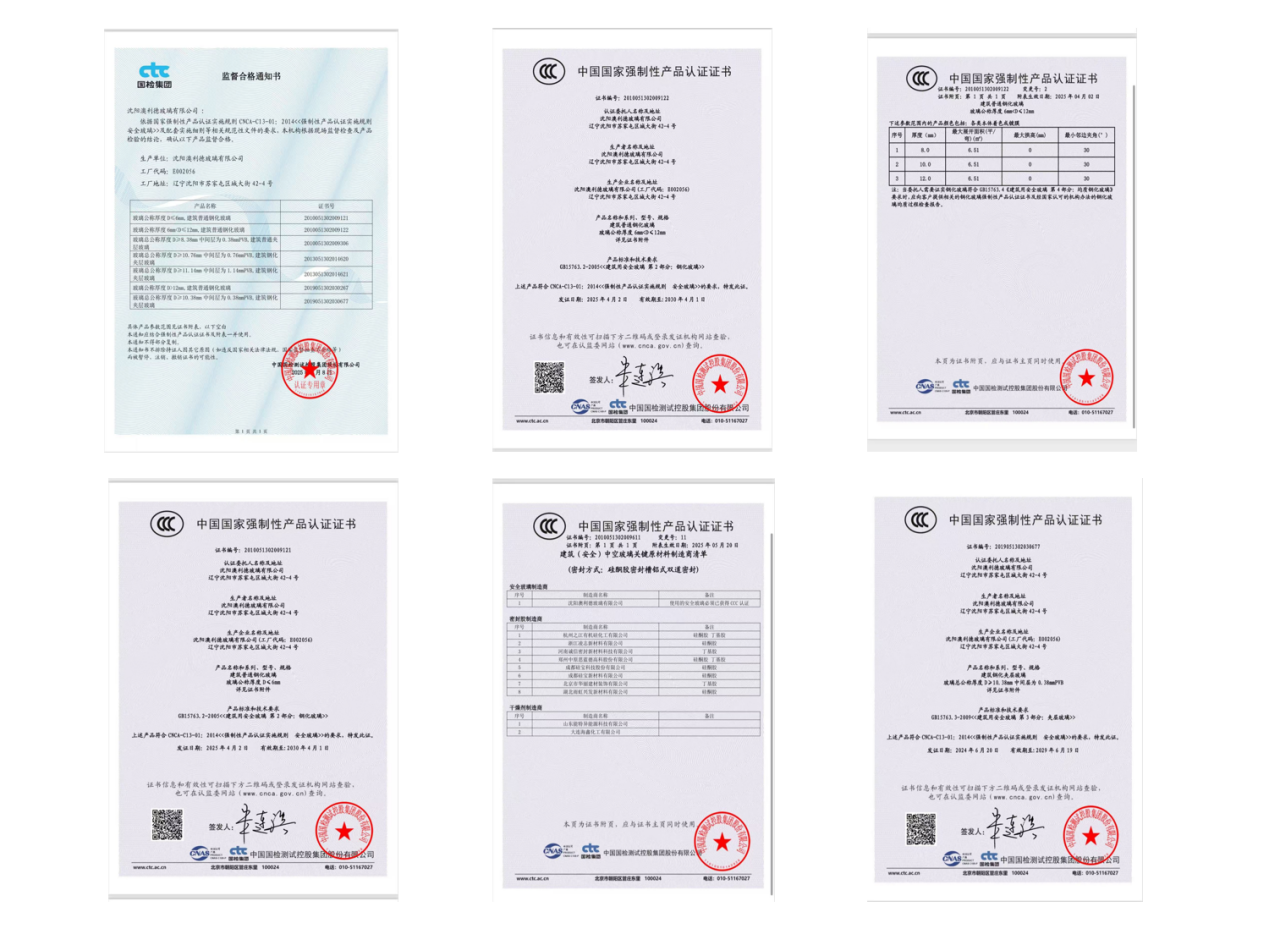
CCC Certification:
Every tempered ultra-clear glass panel must carry a laser-etched CCC mark and factory code.
ISO Quality Management System:
Aolide is ISO-certified, ensuring full traceability across cutting, edge grinding, tempering, and Heat Soak Testing (HST) processes.
3.3 Processing Details That Matter
Precision Polished Edges:
High-end projects should specify high-gloss polished edges, not only for appearance but to eliminate micro-cracks and enhance structural strength.
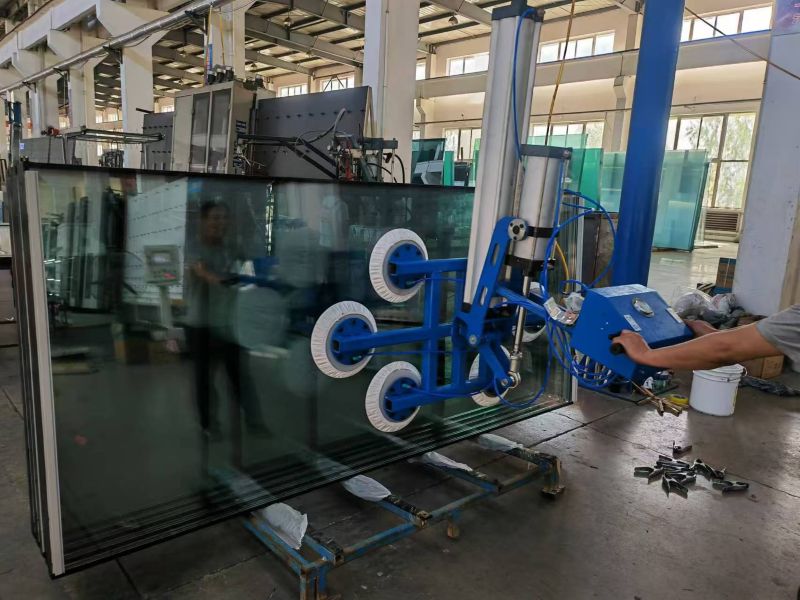
Heat Soak Test (HST):
When combined with HST, ultra-clear glass can reduce spontaneous breakage risk to near zero. Always confirm whether the supplier operates certified soaking furnaces.
4. Aolide: 25 Years of Expertise in Architectural Glass Solutions
With over two decades of industry focus, Aolide understands the real challenges of engineering procurement:
Proven Experience:
Extensive expertise in complex curtain wall systems, irregular shapes, and large-volume project deliveries.
Project-Based Validation:
A strong portfolio of completed projects that demonstrates reliable execution capability.
Transparent Supply Chain:
Backed by CSG, Xinyi, and other top-tier suppliers, we offer one-stop optimization from raw glass selection to advanced processing.
5. Technical Consultation & Project Support
Glass performance varies significantly depending on thickness (6mm, 8mm, 10mm, 12mm, 15mm, 19mm) and configurations such as insulated units, laminated glass, and Low-E coatings.
If you are currently working on a project and need to:
Compare technical parameters for specific applications.
Obtain official CSG / Xinyi raw glass specifications.
Receive up-to-date project pricing and volume discounts.
Contact our technical support team directly — we provide professional answers backed by 25 years of industry experience.
