

When choosing premium glass for applications such as frameless shower doors, aquariums, museum displays, or architectural railings, you may come across two common terms: ultra clear glass and low iron glass.
This often leads to confusion among homeowners, designers, and architects:
Are ultra clear glass and low iron glass the same thing? Or is one better than the other?
The truth is that both terms usually refer to the same type of high-clarity architectural glass. However, understanding the difference in terminology and performance can help you select the right glass for high-end projects.
Quick Answer (Featured Snippet)
Ultra clear glass and low iron glass generally refer to the same product.
Low iron glass is the technical term, describing glass manufactured with reduced iron oxide content. Ultra clear glass is the descriptive or marketing term used to emphasize the glass’s exceptional transparency and minimal color distortion.
Because the iron content is significantly reduced, low iron (ultra clear) glass appears much clearer and less green than standard float glass, making it ideal for luxury architectural and display applications.
Standard Glass vs Low Iron Glass
To understand ultra clear glass, it's important to first look at standard float glass, which is the most common type used in construction.
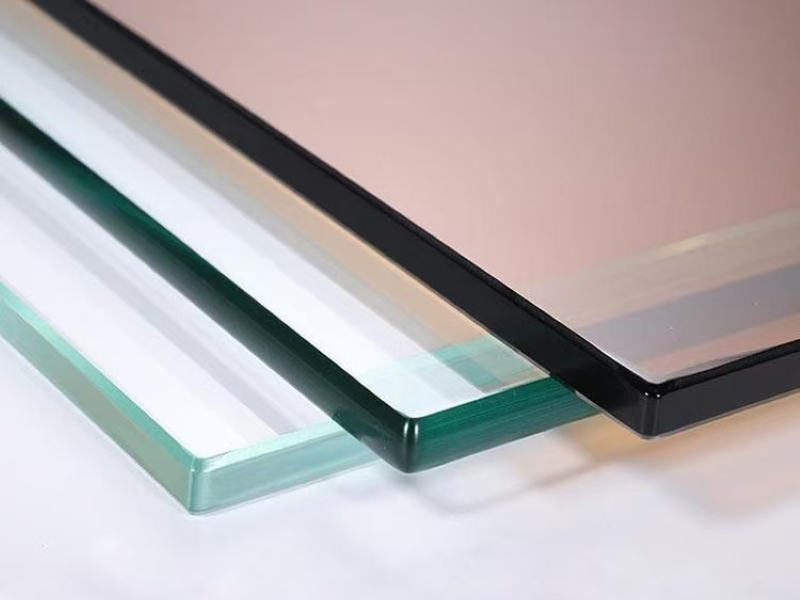
Standard glass contains a higher concentration of iron oxide. When viewed from the front, it appears transparent. However, when you look at the edge of the glass, the iron becomes visible as a dark green tint.
This green coloration can also affect how objects appear behind the glass. For example, if a regular glass panel is placed over a white wall or light-colored surface, the color may appear slightly green or muted.
How Low Iron Glass Improves Clarity
Low iron glass is manufactured using high-purity silica sand with significantly reduced iron content.
Compared with standard glass:
Iron content is reduced to about 10% of conventional glass
The green tint is dramatically minimized
Light transmission increases significantly
As a result, low iron glass provides clearer visibility and more accurate color representation.
This is why ultra clear glass is commonly used in projects where visual purity is critical.
Why the Industry Uses Two Names
Although ultra clear glass and low iron glass refer to the same material, the terms serve different purposes.
Low iron glass
Technical or industrial term
Refers to the chemical composition of the glass
Focuses on reduced Fe₂O₃ (iron oxide) levels
Marketing or descriptive term
Focuses on the visual clarity and aesthetic effect
Many major glass manufacturers market branded versions of low iron glass,
Despite the different brand names, they are all types of low iron glass.
Key Advantages of Ultra Clear (Low Iron) Glass
Low iron glass is usually 25%–40% more expensive than standard glass, but designers often prefer it because of several important benefits.
1. Accurate Color Rendering
One of the biggest advantages of ultra clear glass is true color transmission.
In interior design applications such as:
glass backsplashes
painted glass panels
decorative wall panels
standard glass can alter the perceived color. Low iron glass ensures the colors remain true to the original design.
2. Higher Light Transmission
Ultra clear glass allows more light to pass through the material.
Typical light transmission rates:
Low iron glass: 91–92%
Standard glass: 82–83%
This higher transparency makes spaces feel brighter, larger, and more open.
3. Cleaner Glass Edges
When glass edges are exposed, the difference becomes obvious.
Standard glass edges appear dark green, especially in thicker panels.
Ultra clear glass edges appear much lighter, often slightly bluish or neutral, creating a cleaner and more modern architectural appearance.
Common Applications for Ultra Clear Glass
Low iron glass is particularly valuable in projects where clarity and visual quality are essential.
Typical applications include:
High-end aquariums
Ultra clear glass eliminates the green tint so water appears crystal clear.
Museum display cases
Ensures artifacts are viewed in their true colors.
Luxury retail displays
Jewelry stores use low iron glass so diamonds and precious metals shine without distortion.
Architectural glass railings
Provides a minimalist and modern design aesthetic.
Is Low Iron Glass Weaker Than Standard Glass?
A common misconception is that ultra clear glass is softer or more fragile.
This is not true.
Low iron glass has almost identical strength, hardness, and scratch resistance compared with standard float glass.
It can also undergo the same processing methods, including:
tempered glass processing
laminated safety glass
heat-strengthened glass
Therefore, low iron glass is just as durable and safe as regular architectural glass.
When Should You Choose Ultra Clear Glass?
Low iron glass is most beneficial when:
Glass thickness exceeds 6 mm
The edges of the glass remain visible
The background color is white or very light
The project requires high-end visual clarity
The thicker the glass panel becomes, the more noticeable the green tint of standard glass will be.
For premium architectural projects, ultra clear glass provides a noticeably cleaner appearance.
Frequently Asked Questions
Is ultra clear glass the same as low iron glass?
Yes. In most cases, ultra clear glass and low iron glass refer to the same material. Low iron glass is the technical term describing reduced iron content, while ultra clear glass describes the visual clarity.
Why does normal glass look green?
The green tint comes from iron oxide impurities in the raw materials used to produce standard float glass.
Low iron glass reduces these impurities, which removes most of the green coloration.
Is low iron glass worth the extra cost?
For applications where clarity, color accuracy, and exposed edges matter, low iron glass is often worth the additional cost.
For basic windows or hidden glass panels, standard float glass is usually sufficient.
Does low iron glass scratch more easily?
No. Low iron glass has the same hardness and scratch resistance as standard float glass.
Its durability depends more on surface treatment and processing methods than iron content.
Related Articles (Internal Links)
If you're researching architectural glass, you may also find these guides helpful:
What Is Low-E Glass? Energy Efficiency Explained
Tempered Glass vs Laminated Glass: Which Is Safer?
Types of Architectural Glass Used in Modern Buildings
These guides provide deeper insights into energy-efficient glass, safety glass, and building glass technologies.
Conclusion
Ultra clear glass and low iron glass are essentially the same material, but the terminology reflects different perspectives — technical versus visual.
By reducing iron content, low iron glass eliminates the green tint found in standard float glass and provides superior transparency, better color accuracy, and cleaner edges.
For high-end architectural projects, display cases, aquariums, and premium interiors, ultra clear glass delivers a level of clarity that conventional glass simply cannot match.
