

Quick Answer
Explosion-proof glass typically costs between $200 and $7,000+ per m², depending on protection level, thickness, and certification.
Most industrial buyers fall within the $200–$700/m² range for standard blast-resistant applications.
Why Standard Glass Fails in Explosions
In high-risk environments such as oil & gas plants, chemical facilities, and control rooms, standard glass is not an option.
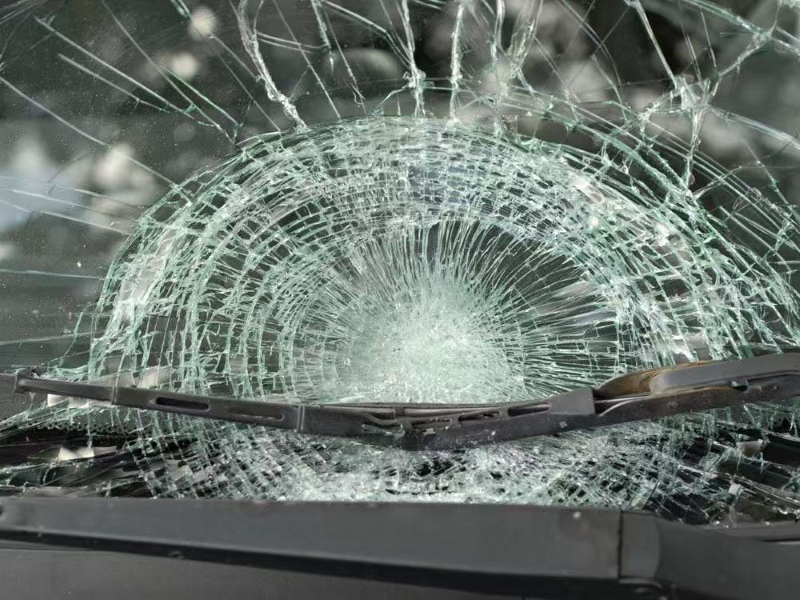
During an explosion, most injuries are caused not by the blast itself—but by flying glass fragments that act like high-speed projectiles.
Explosion-resistant glazing systems are widely used in petrochemical, energy, and defense industries, where safety compliance is strictly required.
1. Explosion-Proof Glass Price Range (Real Market Data)
Typical price range for industrial applications:
Basic laminated safety glass: $20 – $80 / m²
Standard blast-resistant glass: $200 – $700 / m²
High-performance explosion-proof glass: $2,000 – $7,000+ / m²
Most industrial buyers typically purchase within the $200–$700/m² range.
Key takeaway:
If your project involves oil, gas, chemical, or military applications, pricing will usually fall in the mid-to-high range.
2. What Actually Determines the Price
① Protection Level (Biggest Cost Driver)
Explosion-proof glass is engineered based on:
Blast pressure (kPa / PSI)
Standoff distance
Threat scenario
Higher protection level = higher cost
Engineering insight:
In real engineering projects, explosion-proof glass is selected based on blast load calculations, not price alone.
② Glass Structure (Core Technology)
Typical structure includes:
Multi-layer laminated glass
PVB or ionoplast interlayers
Optional polycarbonate reinforcement
More layers = higher cost, but better energy absorption
③ Thickness & Panel Size
Thicker glass = higher resistance
Larger panels increase:
material cost
transport difficulty
installation complexity
Cost increases non-linearly with thickness
④ Certification & Standards
Common international standards include:
ASTM F1642 (blast testing)
ISO 16933 / ISO 16934 (explosion resistance)
These standards are widely referenced in industrial construction and safety engineering projects worldwide.
⑤ Customization
Explosion-proof glass is rarely standard.
Typical customization includes:
Project-specific dimensions
Frame compatibility
Coatings
Defined blast rating
Typical:
MOQ: ≥10 m²
Lead time: 20–40 days
3. Hidden Costs Most Buyers Ignore
Total project cost may include:
Reinforced steel frames
Installation systems
Transport
Engineering design
Glass typically accounts for 40%–60% of total system cost
4. How to Reduce Procurement Cost
Avoid over-specifying protection
Optimize panel size
Combine standard + custom
Work with engineering-capable suppliers
These methods can reduce cost by 10–25%
5. Custom Quote vs Standard Price
To get an accurate quotation, provide:
Application
Dimensions
Quantity
Drawings
A professional supplier will:
Analyze your scenario
Recommend structure
Provide a project-based quote
6. Insight for Distributors
Using a mix of standardized + customized products can:
Improve inventory turnover
Reduce risk
Increase flexibility
7. Real Project Insight
In actual projects:
Control rooms use multi-layer laminated structures
Oil & gas facilities require higher certified ratings
In some cases, glass thickness is adjusted after blast simulation to balance safety and cost efficiency.
This is why most buyers choose engineered solutions
Get an Accurate Explosion-Proof Glass Solution
Explosion-proof glass is not a standard product.
Many buyers either:
overpay for unnecessary specifications
or fail safety requirements
Send us your project details to get:
Correct protection level recommendation
Cost-optimized structure
Fast quotation within 24 hours
Provide:
Drawings or dimensions
Application scenario
Quantity
Why Work With Us
We support:
Project-based customization
Bulk supply for distributors
Long-term cooperation with contractors
Our products are manufactured under strict quality control, and technical specifications and test reports can be provided before order confirmation.
