

In the context of the global trend towards energy conservation and reduction of carbon emissions, the market for Low-E glass has experienced a marked increase in demand. Energy-saving policies at both the national and local levels, as well as the endorsement of green building standards, have led to the selection of building materials paying more attention to thermal insulation, heat preservation and the energy-saving performance. The latest statistics reveal that in 2024 China's Low-E glass market size has reached around 55 billion yuan and the industry earnings are projected to maintain a positive growth trend.
Market Expansion and Policy Influence
Low-E glass has significant energy-saving features that greatly contribute to increasing the efficiency of buildings by limiting infrared heat transmission. Therefore, it has become one of the essential components of energy-saving building materials. With the release of a series of energy-saving building policies domestically, the specification of green building standards and the encouragement of using high-performance energy-saving materials such as Low-E glass have become the most recent policy support for the market demand.
In line with the continuous implementation of the global "dual-carbon" policy, the construction sector is singled out as the major area for taking carbon emission down. According to industry information, Low-E glass as an energy-saving glass is experiencing a rise in the market demand which is accelerating and therefore will be one of the preferred materials for energy-saving building design soon.
When it comes to B2B buyers, the rise in the market occasioned by the policy cannot be denied. During large-scale constructions, the incorporation of Low-E glass not only aligns with the need to exceed energy requirements but the overall project energy efficiency level can be credited to it, thus resulting in long-term energy savings of investors and owners' convenience.
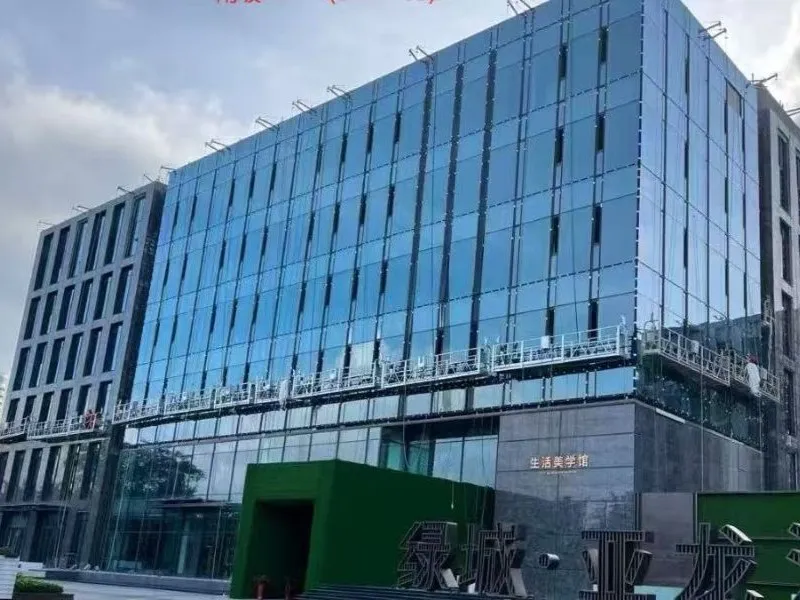
Technological Features and Building Energy Efficiency
Controlling heat radiation is one of the main benefits of Low-E glass. Unlike standard glass, it can highly cut down the heat coming from outside the building during summer and minimize the heat going out during winter. As a result, it helps to keep the energy use of cooling and heating systems at a lower level.
Besides helping to save energy by using Less-E glass, the main source of light can also be kept, natural light thus licensed maintained with Less-E glass. It can also be used in large commercial buildings, hotels, or luxury apartment buildings by enhancing the playfulness of lighting. B2B buyers can cite this "beautiful as well as energy efficient" material feature in the architect's design team dialogue as an influence to increase the project's value.
Exciting Issues for Energy-Saving Glass Industry Conversations
Market reports and industry media have recently been discussing the upcoming trends of energy-saving glass, especially with "dual carbon" goals and green building promotion in mind. The term Low-E glass is often mistakenly referred to as one of the essential components for better energy efficiency in buildings. Usually, these kinds of talks are continued through the following instances:
Energy Efficiency and Return on Investment: Low-E glass usually has a higher upfront price than regular glass, but it will greatly save operating costs by reducing heating and cooling energy usages.
Incorporation into Green Building Certification: Usage of top-grade insulated glass can facilitate a project to obtain more energy-saving credits and elevate its overall level, particularly in green building certification systems (like LEED or national green building standards).
Competition and Technological Innovations in the Market: On a global and local scale, the Low-E glass market is becoming more and more competitive. Leading glass manufacturers are competing for market shares by upgrading their coating technologies and materials. This has led buyers to gear towards suppliers with strong technical competence and quality stability.
Grasping Low-E Glass Market Trends
For building materials procurement departments, grasping market trends and the energy-saving merit of Low-E glass is next to essential. While drawing up a procurement plan, the following points may be kept in mind:
Standardization and Compliance: Make sure that the Low-E glass is in line with the energy-efficient building standards of the project location and therefore meets the relevant performance requirements.
Energy Efficiency Assessment: Evaluate the product on the basis of its heat discrimination, thermal insulation, and UV control effects, and use these performance metrics within the tendering and assessment system.
Long-Term Benefit Analysis: Link the project life-cycle energy consumption model with the evaluation of the long-term savings brought about by energy-saving materials, thus the procurement budget is optimized.
To sum up, Low-E glass, a kind of energy-efficient building material, is steadily increasing its application areas in the context of the continuous development of green building ideas and the implementation of "dual-carbon" policies, etc. For B2B buyers, knowing this trend in depth not only helps them to procure more efficiently but also enables them to bring more energy-saving value to building projects.
