
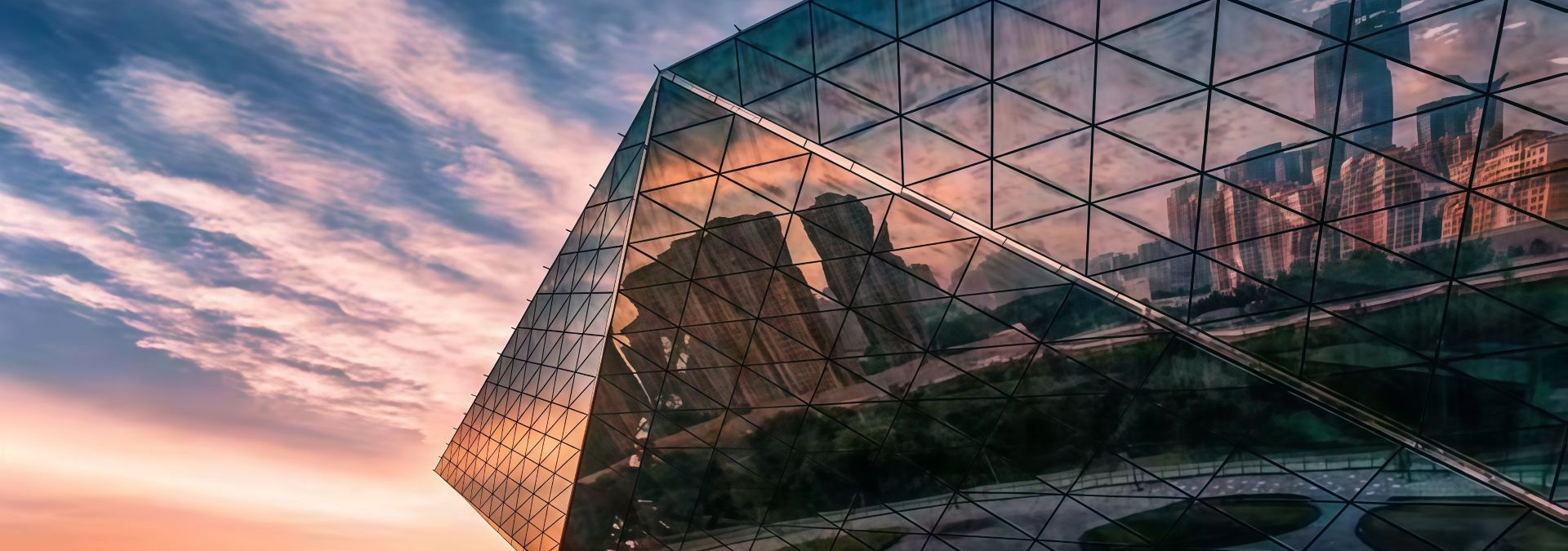
Why Energy-Efficient Glass Curtain Walls Are Becoming the Preferred Choice for Commercial Buildings
The design philosophy for modern commercial buildings differs vastly from that of a decade ago. Today, architects, developers, and owners are no longer focused solely on creating impressive skylines; instead, they seek architectural solutions that balance aesthetics, energy efficiency, occupant comfort, and long-term operational value.
Among the many innovations shaping modern architecture, glass curtain wall systems have emerged as one of the most influential elements in contemporary design.
A Shift Toward Smarter Building Facades
Commercial buildings in cities worldwide face increasing pressure to reduce energy consumption while maintaining aesthetic appeal.
Traditional exterior walls often limit natural light, posing challenges for modern open-plan environments. Consequently, architects are increasingly adopting curtain wall systems that maximize natural daylighting while ensuring excellent thermal insulation.
This shift is particularly evident in office buildings, mixed-use developments, hotels, airports, and retail centers, where facade design directly impacts both visual appearance and building efficiency.
Well-designed glass curtain walls can enhance natural light utilization, reduce reliance on artificial lighting, and help create a more comfortable indoor environment.
Why Energy Performance Matters More Than Ever
Energy costs continue to influence architectural design decisions globally.
Developers are seeking solutions that lower operational costs without compromising the building's design vision.
Modern insulated glass units, low-emissivity (Low-E) coatings, and thermally broken framing systems are enabling commercial buildings to achieve superior energy performance compared to earlier curtain wall generations.
For projects located in regions with extreme temperatures, these technologies play a crucial role in maintaining indoor comfort throughout the year.
Many project teams now view the building facade not merely as a decorative element, but as an integral component of the building's overall energy strategy.
Material Selection Has Long-Term Impacts
The success of a curtain wall project often hinges on decisions made during the early design stages.
Selecting the right glass specifications, aluminum profile systems, and structural configurations can significantly influence a building's durability and maintenance costs over its entire lifecycle.
Common considerations include:
Wind load resistance
Thermal insulation performance
Acoustic performance
Watertightness
Structural safety
Maintenance requirements
As every project is unique, customized facade solutions are becoming increasingly common in the international architectural market. Growing Demand for Customized Curtain Wall Solutions
No two commercial projects are exactly alike.
Building height, climatic conditions, local regulations, and architectural objectives all influence facade design requirements.
Consequently, developers are moving away from one-size-fits-all products and seeking suppliers capable of supporting project-specific solutions.
Customized curtain wall systems offer architects greater design flexibility while helping contractors improve installation efficiency during construction.
This approach often reduces project risk and enhances the building's overall performance upon completion.
International projects require more than just manufacturing capabilities.
In global construction projects, product quality is only one part of a successful partnership.
Developers and contractors increasingly value suppliers who can provide engineering support, technical communication, and project coordination throughout the project lifecycle.
Drawing reviews, material recommendations, production scheduling, protective packaging, and logistics management all contribute to project success.
This is particularly important for overseas projects, which often involve complex coordination among multiple stakeholders.
How Shenyang Olide Glass Supports Modern Architectural Projects
As a specialized architectural glass manufacturer, Shenyang Olide Glass Co., Ltd. collaborates with clients across various markets to provide customized glass processing and curtain wall solutions.
The company focuses on producing materials that meet modern architectural standards, including insulating glass, laminated glass, tempered glass, and curtain wall glass systems for commercial and public buildings.
By combining manufacturing expertise with project-oriented support, the company helps clients achieve their architectural and performance goals.
Looking Ahead
The future of commercial architecture is closely linked to sustainability, energy efficiency, and smart building design.
As developers continue to seek ways to enhance building performance, high-quality glass curtain wall systems will remain a vital component of modern architecture.
Projects that successfully balance aesthetics, functionality, and environmental performance are more likely to deliver greater long-term value to owners and occupants.
For architects, contractors, and developers, selecting the right curtain wall solution today will have a lasting impact on building performance for decades to come.
