

The Price of Clarity: Why Low-Iron Glass Costs 25% to 50% More
For any large-scale architectural project, the "glass budget" is often the most scrutinized line item. When a designer specifies Ultra-Clear (Low-Iron) Glass, the immediate question from procurement is: "Why is the premium so high, and is it justified?"
Typically, low-iron glass carries a 25% to 50% price premium over standard clear glass. However, the "true cost" isn't just a flat percentage; it varies based on thickness, processing, and raw material cycles. This guide breaks down the financial components of low-iron glass procurement.
1. The Four Pillars of the Price Premium
A. Raw Material Scarcity (The "Sand" Factor)
Standard float glass uses silica sand with iron oxide levels of around 0.1% (1,000ppm). Low-iron glass requires high-purity silica sand with less than 0.01% (100ppm) iron content.
The Cost Impact: These high-purity deposits are rare and often located further from manufacturing hubs, leading to higher raw material and transportation surcharges.
B. Energy Intensity in the Furnace
Iron acts as a heat conductor in a glass melt. When iron is removed, the glass becomes more "heat-resistant" in its liquid state.
The Technical Reality: To melt low-iron glass, the furnace must run at significantly higher temperatures for a longer duration. This increases natural gas consumption by 10-15%, a cost that is directly passed to the buyer.
C. The "Transition Glass" Waste
Glass furnaces run 24/7. When a plant switches from producing standard clear glass to low-iron glass, there is a "transition period" that can last for 24-48 hours.
The Logistics Cost: During this time, the glass produced is neither "clear" nor "ultra-clear." This transition glass is often scrapped or sold at a loss, and the cost of this lost yield is baked into the final low-iron price.
D. Processing Yields (Edge Sensitivity)
Low-iron glass is so transparent that internal defects and edge chips are 3x more visible than in standard glass.
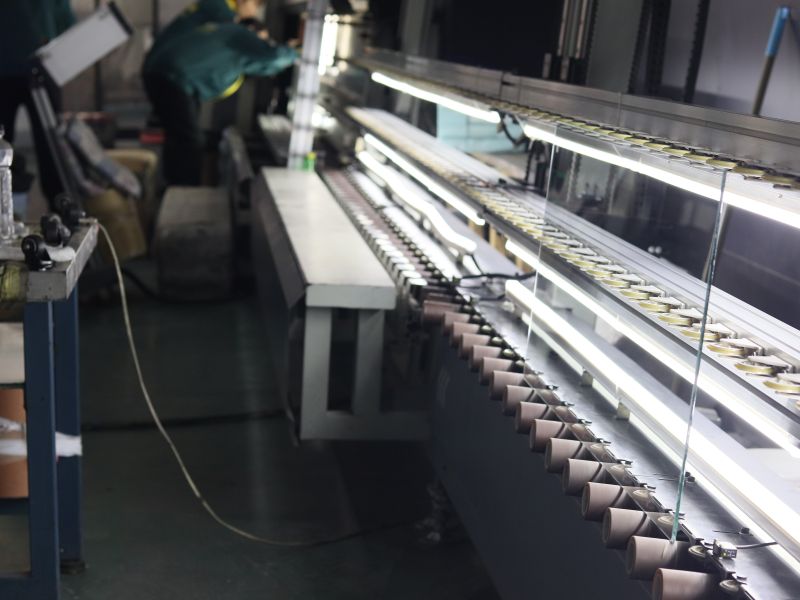
The Labor Surcharge: Fabricators must slow down their CNC polishing and tempering lines to ensure "Crystal Grade" edges. Higher rejection rates during Quality Control (QC) further drive up the unit price.
2. Thickness vs. Price: The Escalation Scale
| Glass Thickness | Price Premium (Approx.) | Why? |
| 6mm | 20% - 25% | Lower material volume; high yield. |
| 12mm | 35% - 45% | Increased melting time; higher weight surcharges. |
| 19mm (Jumbo) | 50% - 65% | Rare production runs; massive risk of bubbles/seeds. |
| Laminated (12+12) | 70%+ | The "stacking effect" makes standard glass look very green, making low-iron the only viable (and expensive) choice. |
3. The ROI: When is the Extra Cost "Worth It"?
Procurement managers should view the premium as an investment in two areas:
Reducing Maintenance Liability: Because low-iron glass uses higher-purity raw materials, it has fewer Nickel Sulfide (NiS) inclusions. This reduces the statistical probability of spontaneous tempered glass breakage by up to 80%, saving thousands in post-installation replacement costs.
Higher Sales Conversion (Retail): For luxury storefronts, every 1% increase in light transmittance and color accuracy correlates with higher foot traffic. The 25% premium on glass is often recovered within the first 6 months of store operation through increased sales.
4. Procurement Strategy: How to Save on Low-Iron Glass
If the budget is tight, follow these three "Insider" strategies:
Specify "Mixed Makeup": In a Double Glazed Unit (DGU), use low-iron glass for the outer pane (for aesthetics) and standard clear glass for the inner pane. This provides the "clear edge" look at a 15% lower total unit cost.
Standardize Sheet Sizes: Avoid "Jumbo" or "Over-sized" panes unless strictly necessary. Stay within the standard 2440mm x 3660mm range to avoid massive handling surcharges.
Float Brand Selection: Ask your supplier for Xinyi (XYG) or Jinjing ultra-clear glass. These are the most stable brands in China with the most consistent pricing cycles.
Conclusion: Balancing Budget with Clarity
Low-iron glass is a premium product for premium applications. While the upfront cost is higher, the reduction in breakage risk and the superior architectural finish make it the industry standard for high-end commercial projects.
Get a Side-by-Side Cost Analysis
Are you trying to decide if your project budget can accommodate low-iron glass? Send us your window schedule, and we will provide a Side-by-Side Quote (Clear vs. Low-Iron) with technical performance data.
[Request a Detailed Quote from Our Estimating Team]
Receive a response within 24 hours with the most current market pricing from our factory.
